From the Spirit of Craftsmanship to Local Traditions: Unique short trip Within 90 Minutes of Hiroshima
©Hiroshima Tourism Association
Find Local Tours & Activities


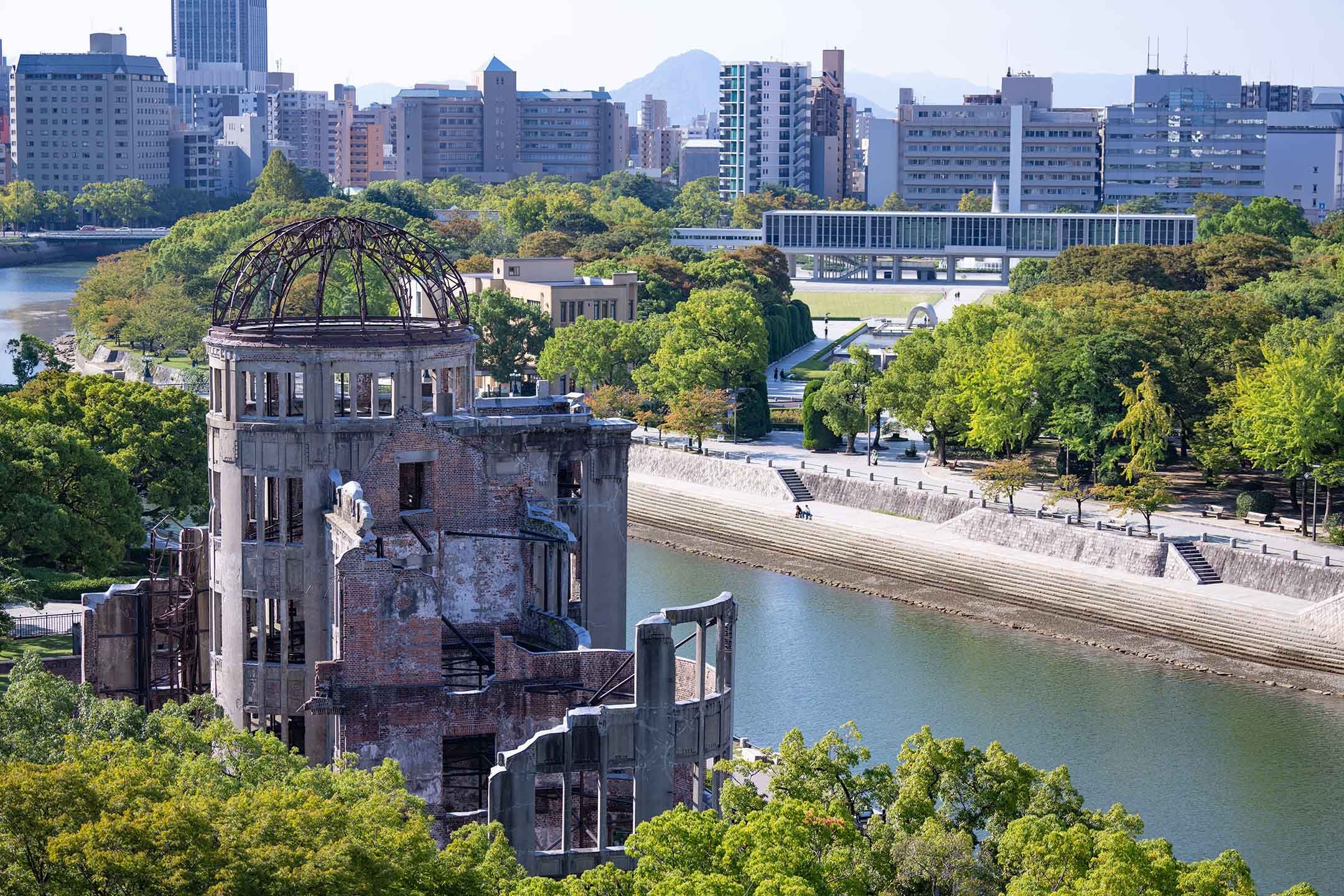
Hiroshima is the central city of the westernmost region of Japan’s main island, Honshu. It is home to two UNESCO World Heritage Sites and is easily accessible at just an hour and a half from Kyoto or Osaka by the shinkansen bullet train.
Many travelers visit Hiroshima but often miss the beauty of its surroundings. The destinations and the sightseeing train introduced here all begin within 90 minutes of Hiroshima City, making them ideal for day trips or overnight excursions. Each offers authentic encounters with local craftsmen, outdoor experiences, and a slower pace of life rooted in community, connection, and tradition.
San’in and Setouchi


Narita
Kojima, Okayama
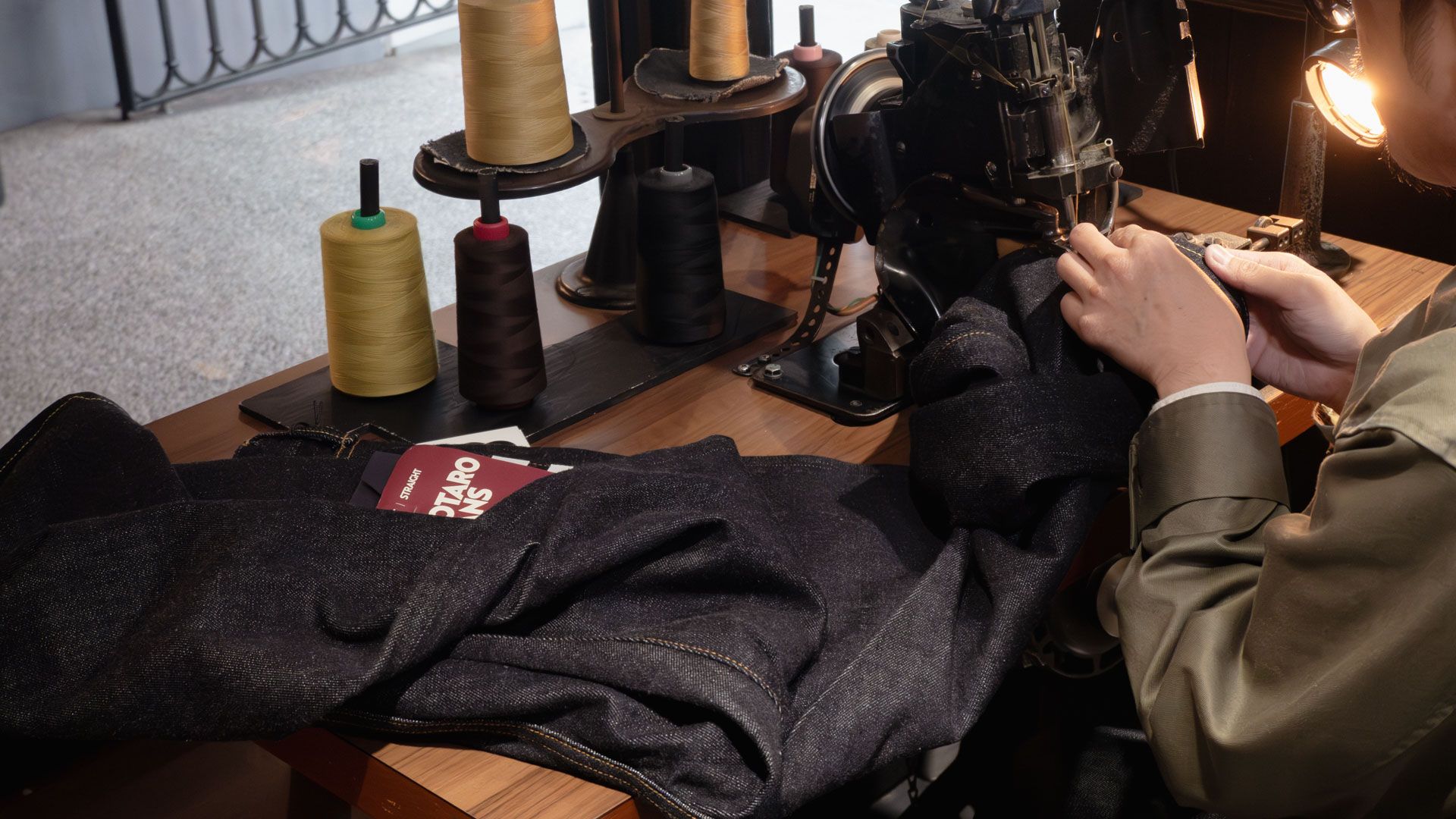
How did Japan become known for denim, a fabric long associated with North American cowboy culture? The answer lies in Japan’s spirit of craftsmanship, or monozukuri: a dedication to precision and pride in handmade quality. This dedication is evident in Kojima, birthplace of Japan’s first jeans: a blend of rugged American workwear and refined Japanese detail. Made in small batches with exceptional precision, it stands out for its deep indigo fades and unmistakable high-end quality, which is now recognized worldwide.
Okayama’s history with cotton cultivation and textile production stretches back centuries. Local artisans had long mastered indigo dyeing, which aligned naturally with denim’s blue hues. As heavy fabric demand declined in the mid-20th century, Kojima’s textile makers turned their skills to jeans, producing Japan’s first pairs locally by 1965. With every production stage handled locally – from weaving to finishing – Kojima built a sustainable ecosystem of makers.
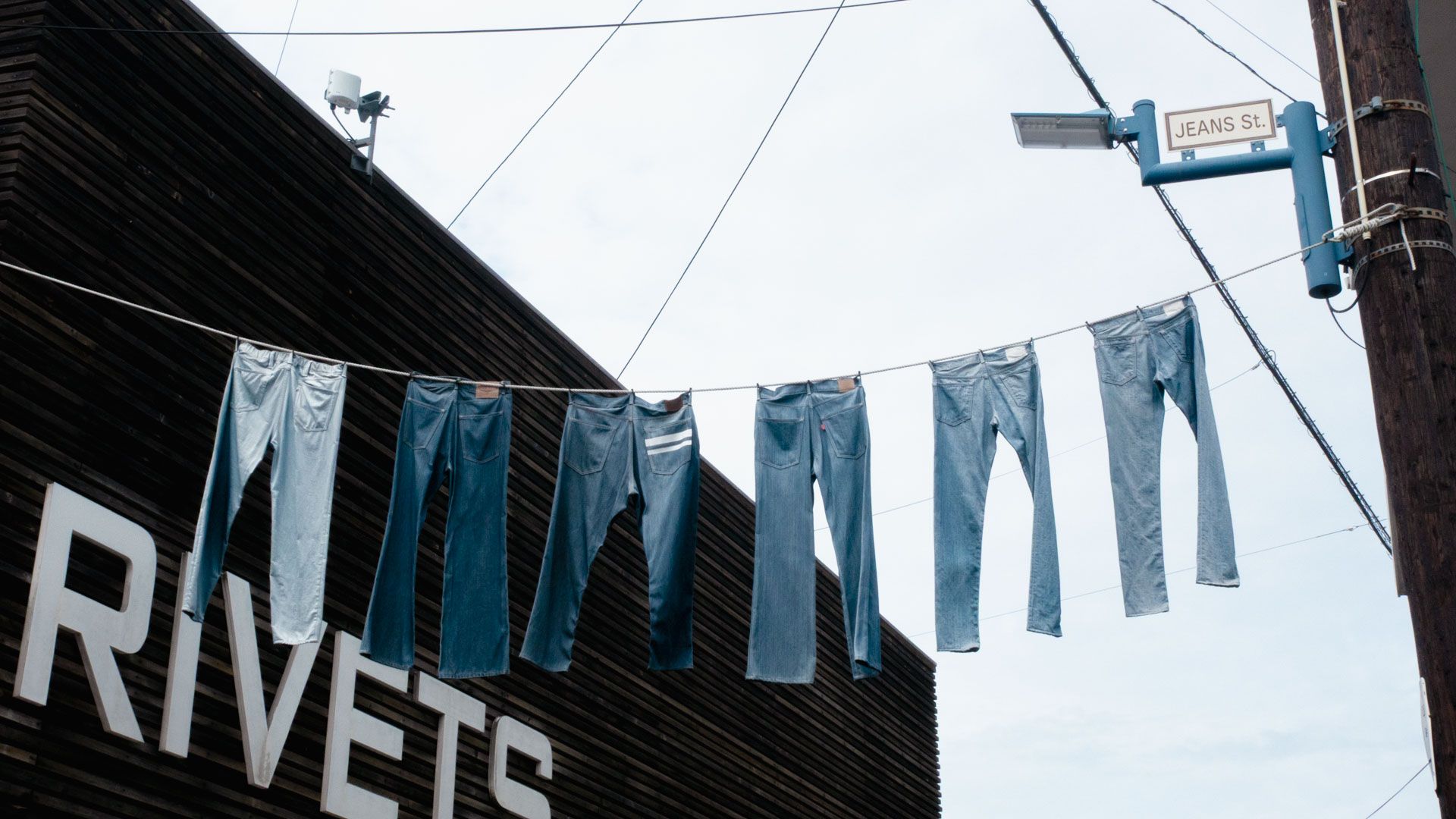
Today, Kojima’s denim studios continue that tradition of subtle luxury and lasting quality, attracting visitors seeking denim that embodies Made in Japan craftsmanship. Travelers can explore Jeans Street, a shopping district committed to revitalization since 2009 to breathe life back into what was once a 200-store shopping arcade. Pioneering brands such as Momotaro Jeans and Dania Japan helped turn it into a creative hub where visitors can meet small-scale designers, design custom denim products, or simply browse among more than 50 shops and cafés.
Jeans Street has become a destination in itself, filled with blue-toned murals, indigo-dyed pavements, and even denim-themed treats like blue ice cream and soda. The area also connects to a scenic cycling route linking Kurashiki and Kojima, where riders pass Seto Ohashi Bridge viewpoints and coastal studios. Whether you’re a denim collector or a casual traveler, Kojima offers a firsthand look at how tradition, creativity, and community craftsmanship continue to shape Japan’s most famous blue fabric.
Access
Kure and Kurahashi, Hiroshima
Located roughly 40 minutes from Hiroshima City, Kure is a former naval port town that celebrates maritime heritage and human connection along the Seto Inland Sea. A one-night, two-day tour, complete with a personal English speaking guide, invites travelers to experience the region’s history and human warmth through storytelling, coastal breeze, and local dining.
The journey begins with a visit to the Yamato Museum (set for renewal opening in 2026), which tells the story of Japan’s maritime legacy vessels on display. Then, hop on a military-harbor cruise, where guides explain about the submarines and vessels of the Japan Maritime Self-Defense Force. Crew members often wave from their ships, offering a small but memorable gesture of welcome.
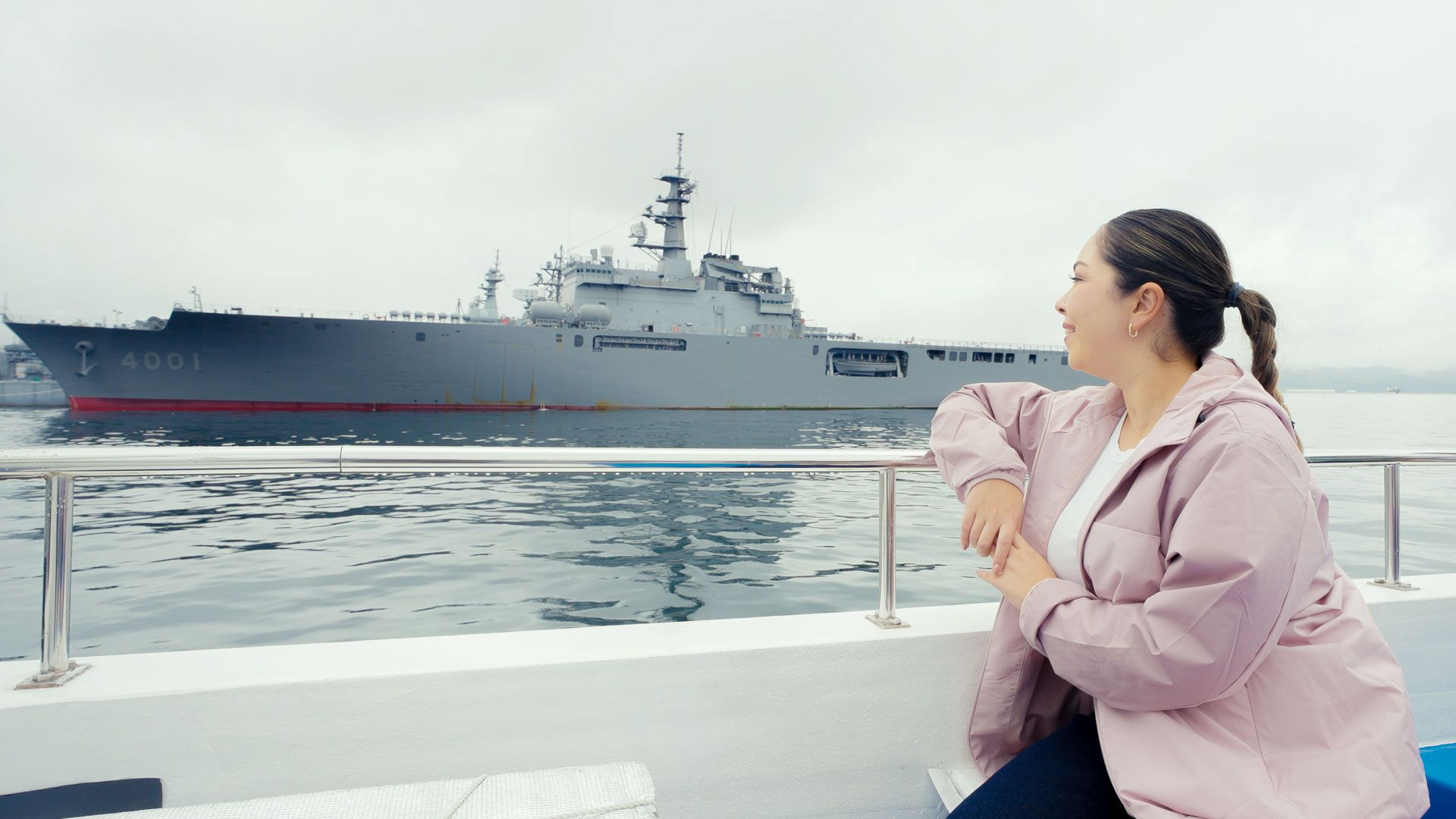
From Kure Port, the route continues to Kurahashi Island, part of the Setonaikai National Park. The island’s coastline offers panoramic views of several of Japan’s islands at once across the Seto Inland Sea, along with a marina that attracts yachts from across Japan and overseas.
Guests stay at a modern seaside villa overlooking the calm waters, with a chance to swim in the sea or stroll to nearby Katsurahama Jinja Shrine. Enjoy a sunset cruise on Captain SHINGO’s boat and take in the coastline glowing in shades of orange from the sky to sea.
For dinner, locals gather under string lights for a shared feast of freshly caught sea bream, salted together with guests, baked, then prepared by the fisherman right before your eyes. The evening unfolds in true local spirit, with toasts of sake, dancing, laughter, and stories exchanged among islanders, newcomers, and guests alike.
Hike up Mount Hiyama on day two, with a 360-degree panoramic view of the Seto Inland Sea 1,339 feet (408 meters) above water. The experience ends with a relaxing soak in the local onsen before returning to Hiroshima.
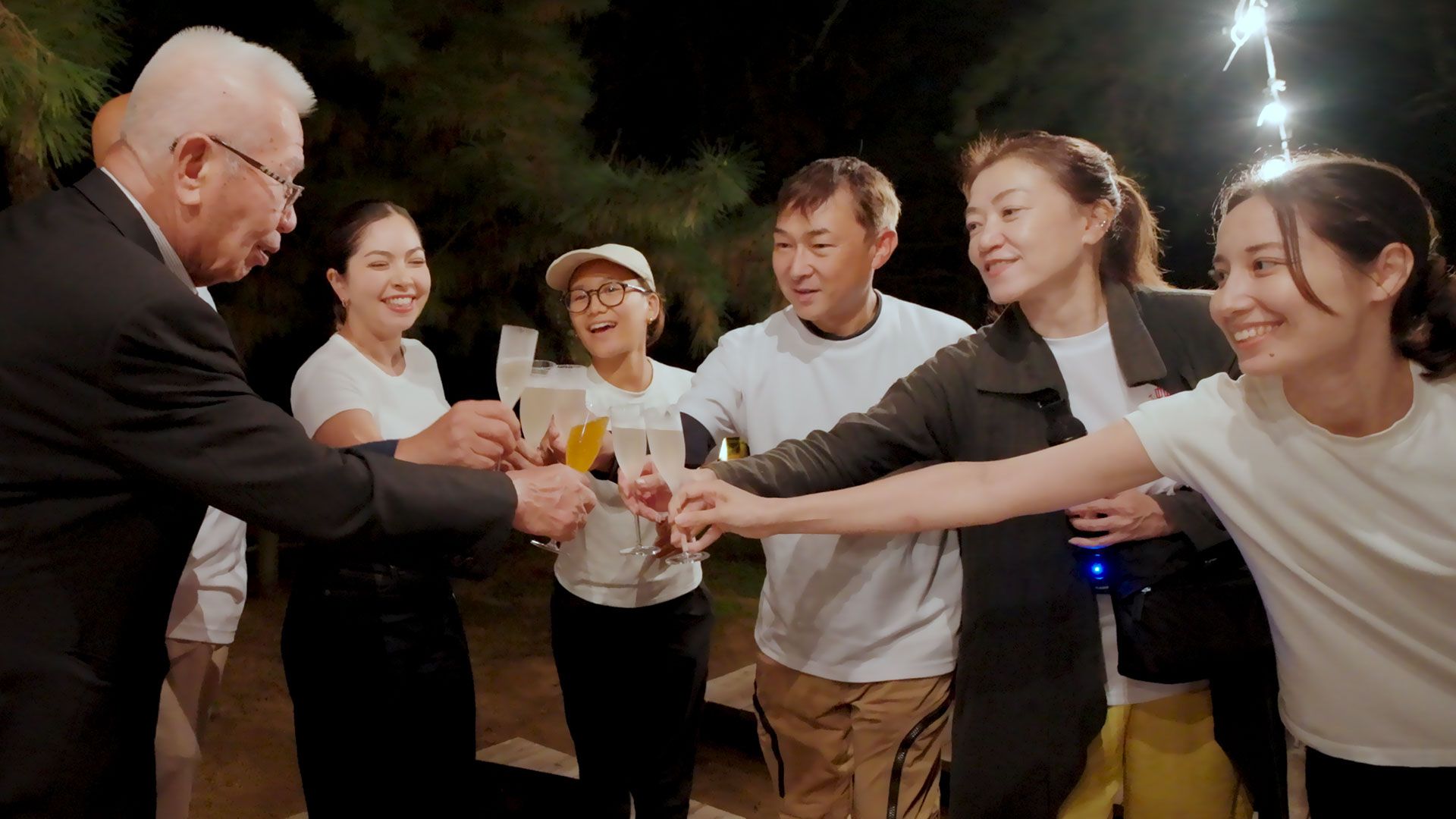
Blending maritime history, coastal nature, and authentic human warmth, this journey captures the enduring spirit of Kure and Kurahashi, where a legacy of battleships has transformed into one of friendship and peace.
Access
Tsuwano, Shimane (via Yamaguchi aboard the SL Yamaguchi)
Your journey to Tsuwano in Shimane Prefecture begins aboard the SL Yamaguchi steam train from Shin-Yamaguchi Station. When you want to disconnect from the world and reconnect with yourself, this quiet town offers the perfect escape. Nestled in the Chugoku Mountains, Tsuwano is filled with red-tiled roofs and winding streets that preserve the peaceful rhythm of Japan’s countryside lifestyle.
The local program, Tsuwano Yu-na, takes its name from a Tsuwano dialect word, “yuna” meaning “relaxed.” Its mission is simple: to help people slow down and rediscover their authentic selves through hands-on, slow-living experiences.
Guests can cycle through countryside roads, share breakfast on a mountaintop, or join farm activities alongside local residents. Each program encourages visitors to engage with nature and the community. It’s not just about discovering an authentic Japan, but uncovering an authenticity within yourself. From short 90-minute experiences to deep dive into history with a 9-hour program, there is a variety of local activities to engage in.
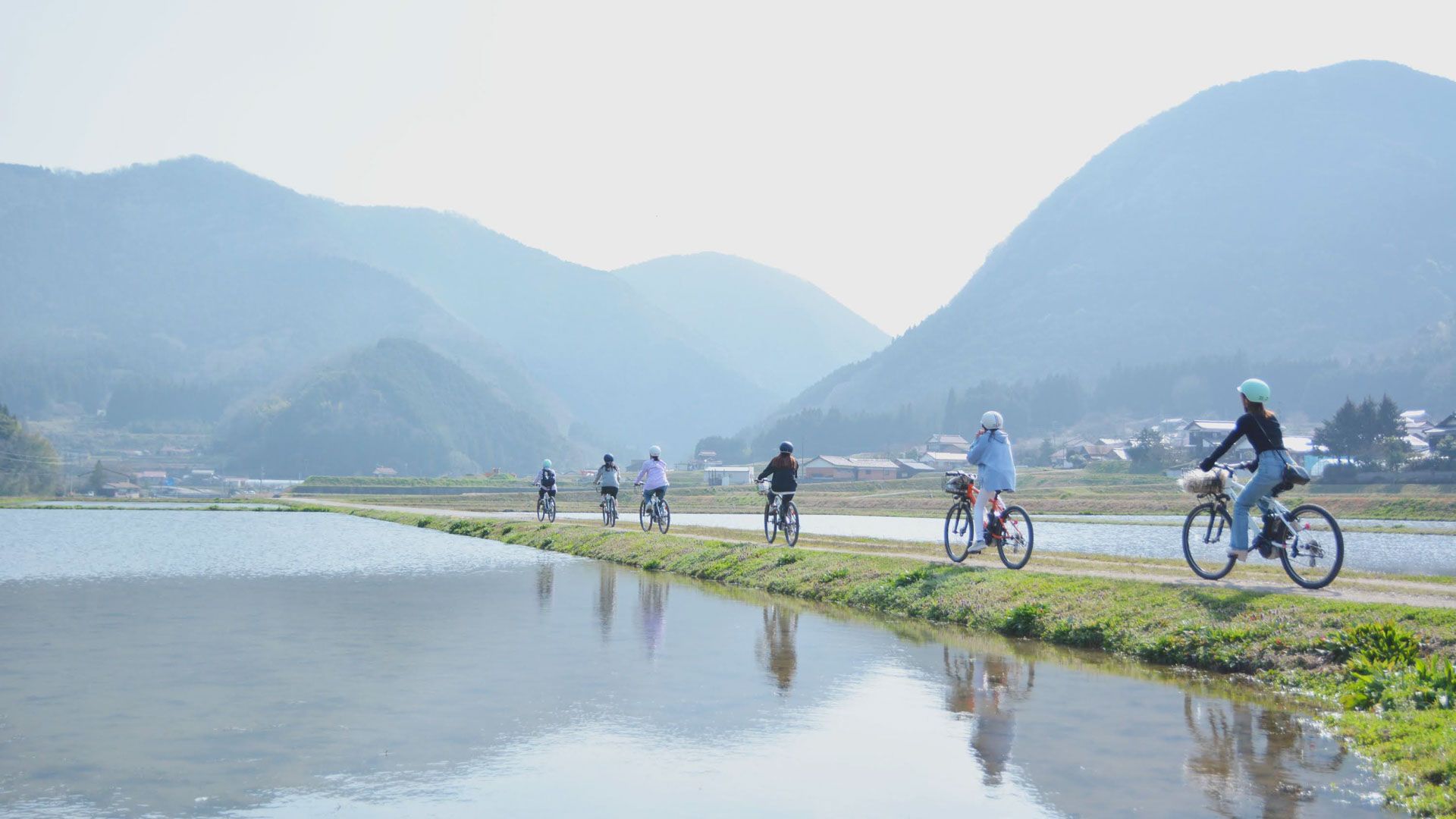
Story-based walking tours led by local guides bring Tsuwano’s castle-town heritage to life through its evolving history, while deeper exchanges with residents make it feel more like living in the town than simply visiting. There are castle ruins to explore, local food to taste, and opportunities for tea farm visits and tastings. All experiences are available in English and easily booked online, making them accessible even for last-minute travelers.
Recognized with the 2nd Attractive Japan Grand Prize in the SDGs Award, Tsuwano Yu-na is a model of sustainable tourism that bridges cultures while preserving rural identity. From Hiroshima Station, take the Shinkansen to Shin-Yamaguchi Station (about 30 minutes), then ride the steam locomotive or diesel locomotive sightseeing train (operating on select days) for a scenic two-hour journey through the Yamaguchi countryside with a bento lunch onboard.
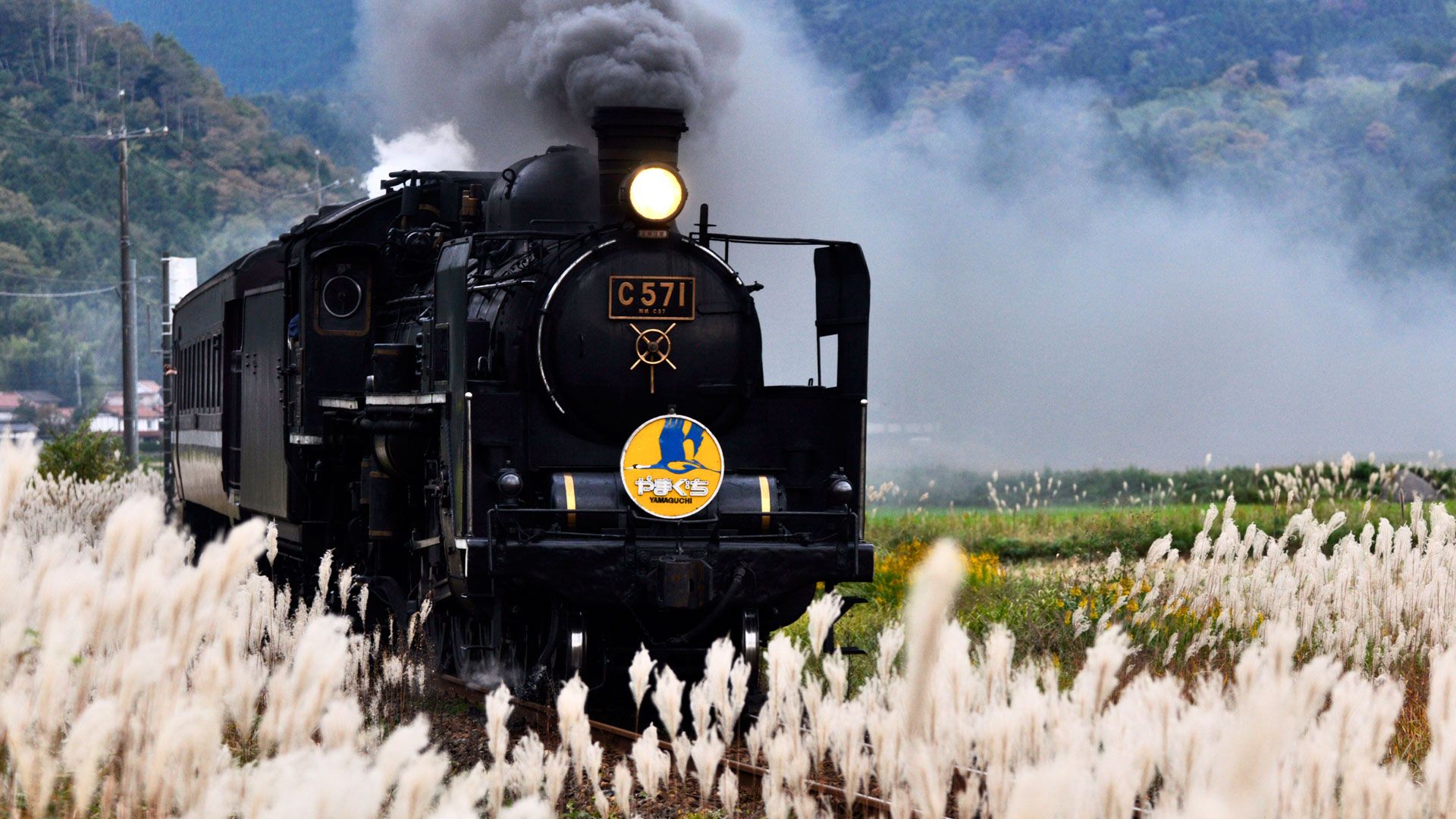
Tsuwano may be small, but its slow pace and genuine warmth leave a lasting impression.