Discover Okinawa Through Ryukyu Traditions: Food, Craft, and the Culture of Care
Find Local Tours & Activities
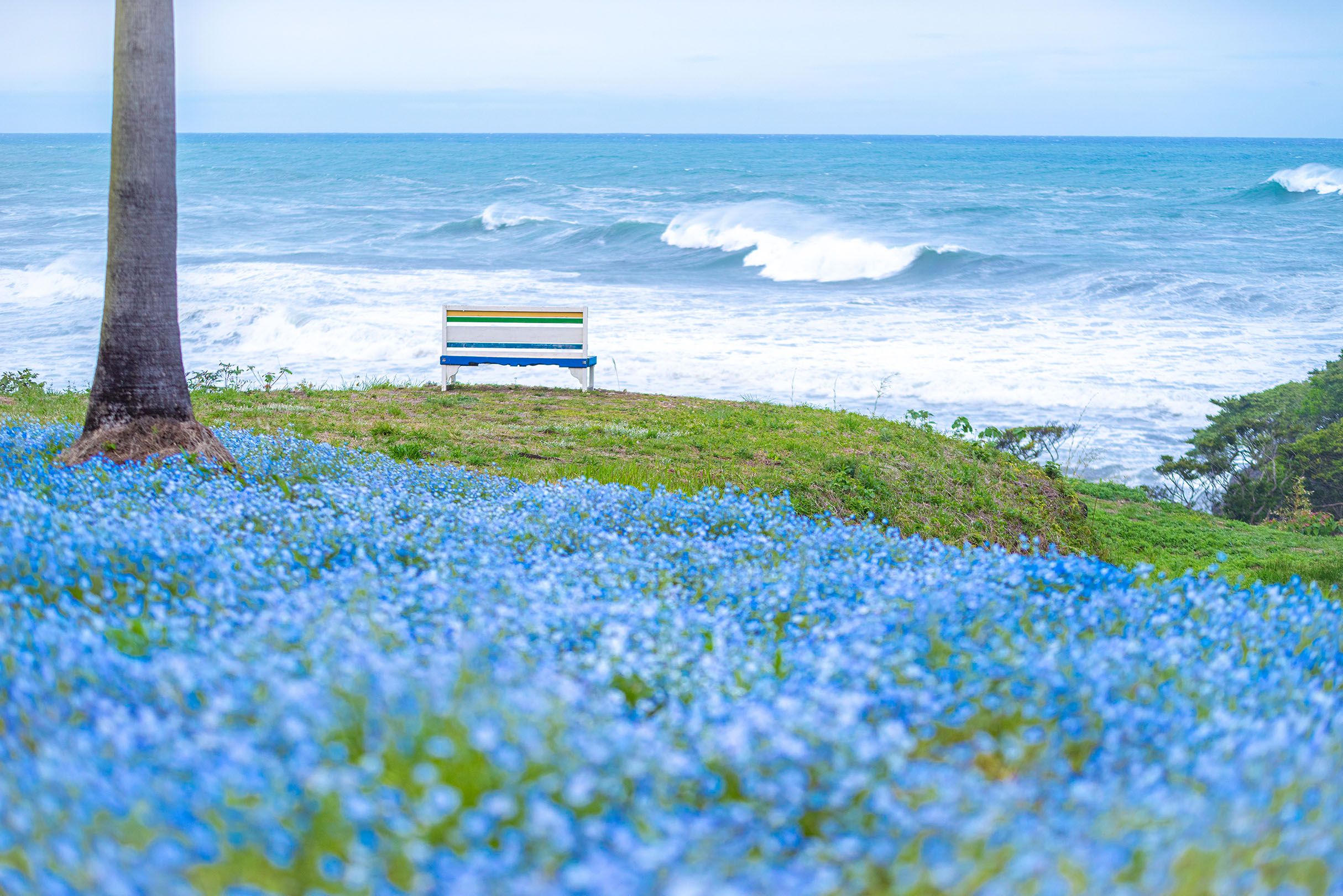
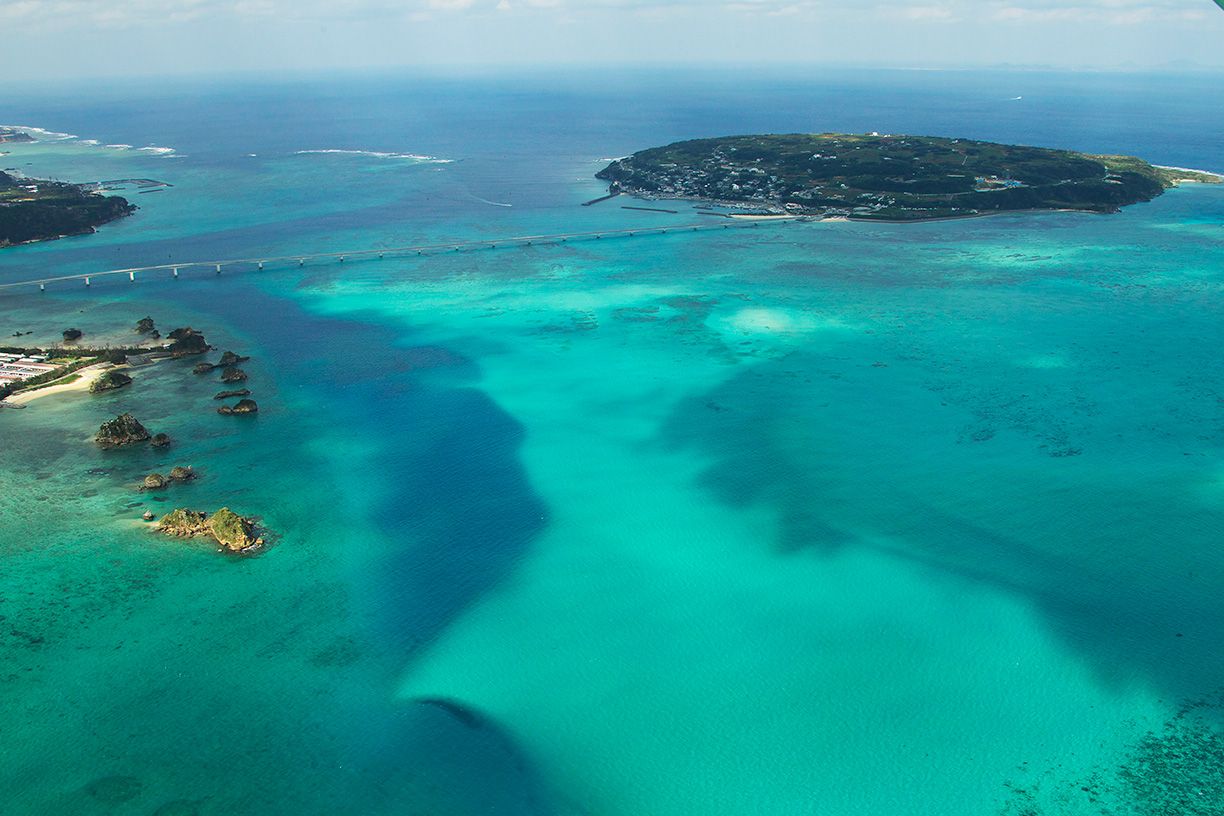
Okinawa is the southernmost group of islands in Japan, known for its subtropical climate and beautiful ocean scenery. Its culture preserves a way of life built on care, balance, and community: distinct from mainland Japan and rooted in the heritage of the Ryukyu Kingdom. Through its indigenous food and crafts, travelers can experience wellness travel at its most authentic, where nourishment, creativity, and connection to people and place contribute to longevity and health.
Okinawa

Narita
Food as Medicine: The Taste of Ryukyuan Longevity
Ryukyuan cuisine developed its own identity long before Okinawa became part of Japan. It differs greatly from what is found in commercial Okinawan restaurants locally and across the country. Influenced by Chinese medicinal foodways and Southeast Asian trade, it values harmony between body, season, and land, following the culinary philosophy of Yakuzen: food as medicine.
Certified Ryukyu cuisine master and instructor, MIYAGUNI Yukie, began her career as a nutritionist where she saw firsthand how diet shapes well-being. Her discovery of traditional Ryukyuan food culture came through grassroots revitalization efforts to preserve the lost traditions of the indigenous Ryukyu Kingdom. Inspired by old Ryukyu scriptures describing food as part of medical practice, she decided to teach how everyday meals can nurture both health and connection. Her work gained international attention when she appeared in a globally recognized documentary that introduced Okinawa’s approach to longevity through food and community.
In her cooking classes, participants start by assessing their own condition and selecting ingredients that help restore balance to the body, all while learning about the significance of each ingredient, cooking methods, and eating order. For international participants, rather than simply replicating Ryukyuan recipes, MIYAGUNI encourages adaptation: finding local vegetables or herbs to recreate the same nutritional harmony. She even considers tableware part of the experience, noting that the curve of a bowl or color of a plate can influence mindset and health. This attention to detail transforms cooking from routine into ritual, connecting the diner to place and moment.
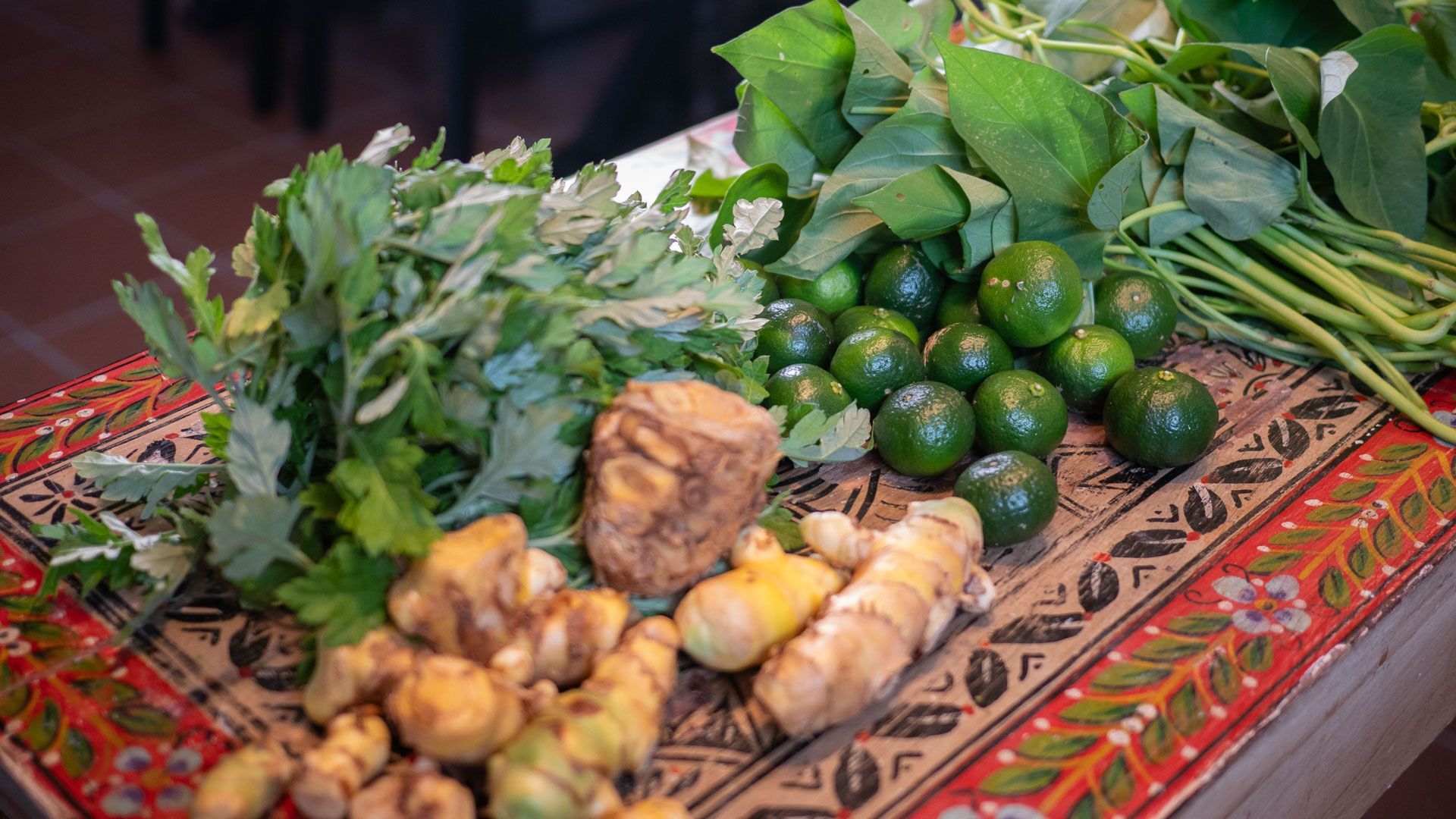
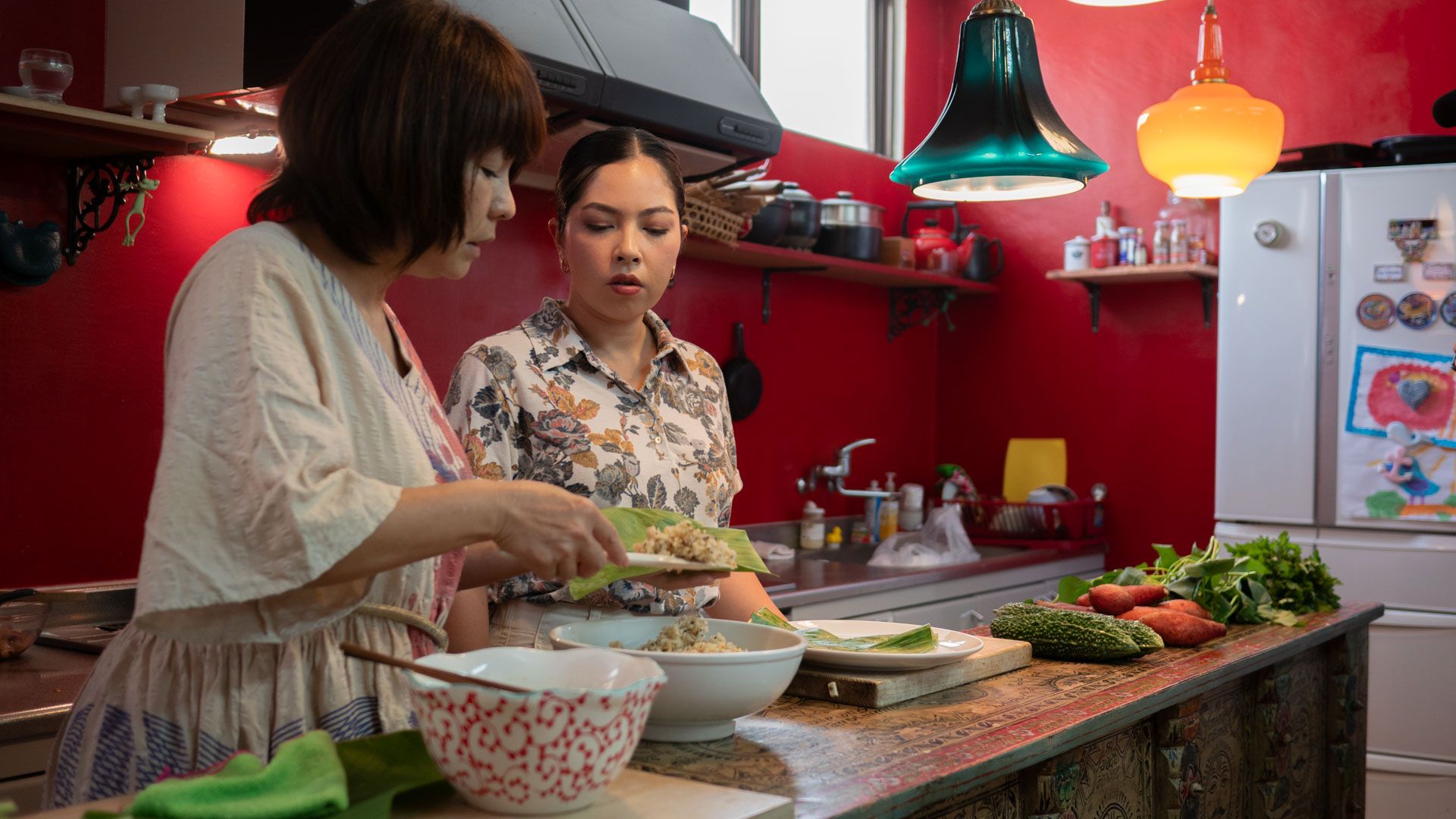
Okinawa’s reputation as a Blue Zone (a region where people live notably long lives) stems from this approach to food and life. Longevity here is not a secret diet but a reflection of awareness and gratitude: shared meals, mindful eating, and nourishment that extends beyond the plate. Through its cuisine, Okinawa invites travelers to experience wellness as a form of care from the inside out.
Threads of Time: Weaving the Ryukyu Legacy
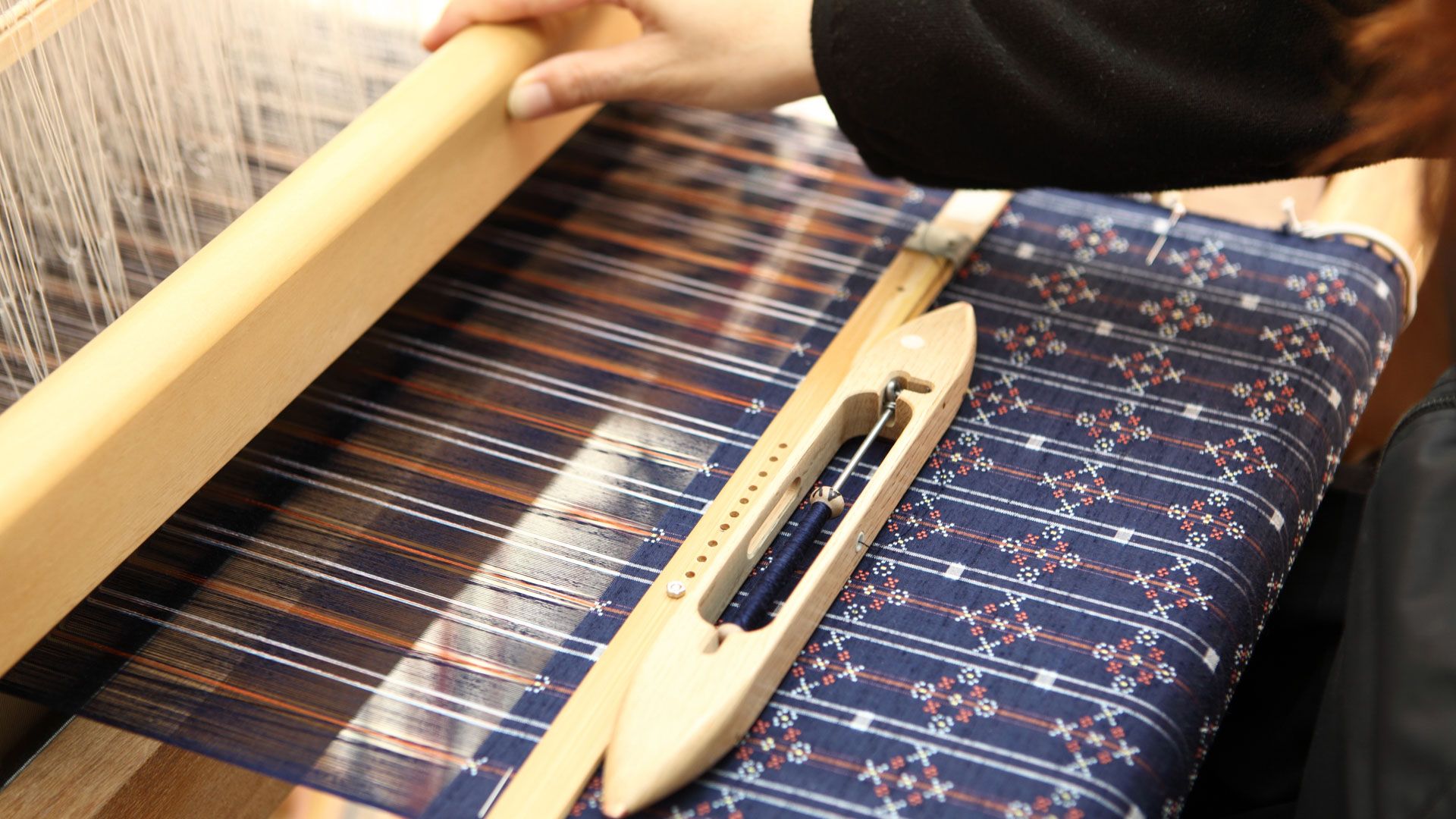
On Okinawa's western coast lies Yomitan Village, home to the region's textile traditions: Yuntanza-Hanaui. This intricate weaving style is said to be from the 15th century, when Okinawa was the Ryukyu Kingdom. Once offered as tribute to the royal court, it was woven with threads such as silk or cotton dyed from plants such as Ryukyu indigo and fukugi. Each motif carries meaning; coins for financial prosperity, fans for prosperity for descendants and family, and windmills for longevity. The raised floral textures make each fabric appear alive with pattern.
Production declined after the Ryukyu Kingdom’s dissolution in 1879 and almost vanished by the mid-1900s. In 1964, local craftspeople revived the tradition after nearly ninety years of silence. Today, visitors can tour the Yomitanzan Hanaori Cooperative, where artisans demonstrate handweaving and plant dyeing, or join beginner workshops to try weaving a small coaster or strap using pre-dyed threads. Seeing each step up close reveals the patience and precision behind Okinawa’s textile legacy.
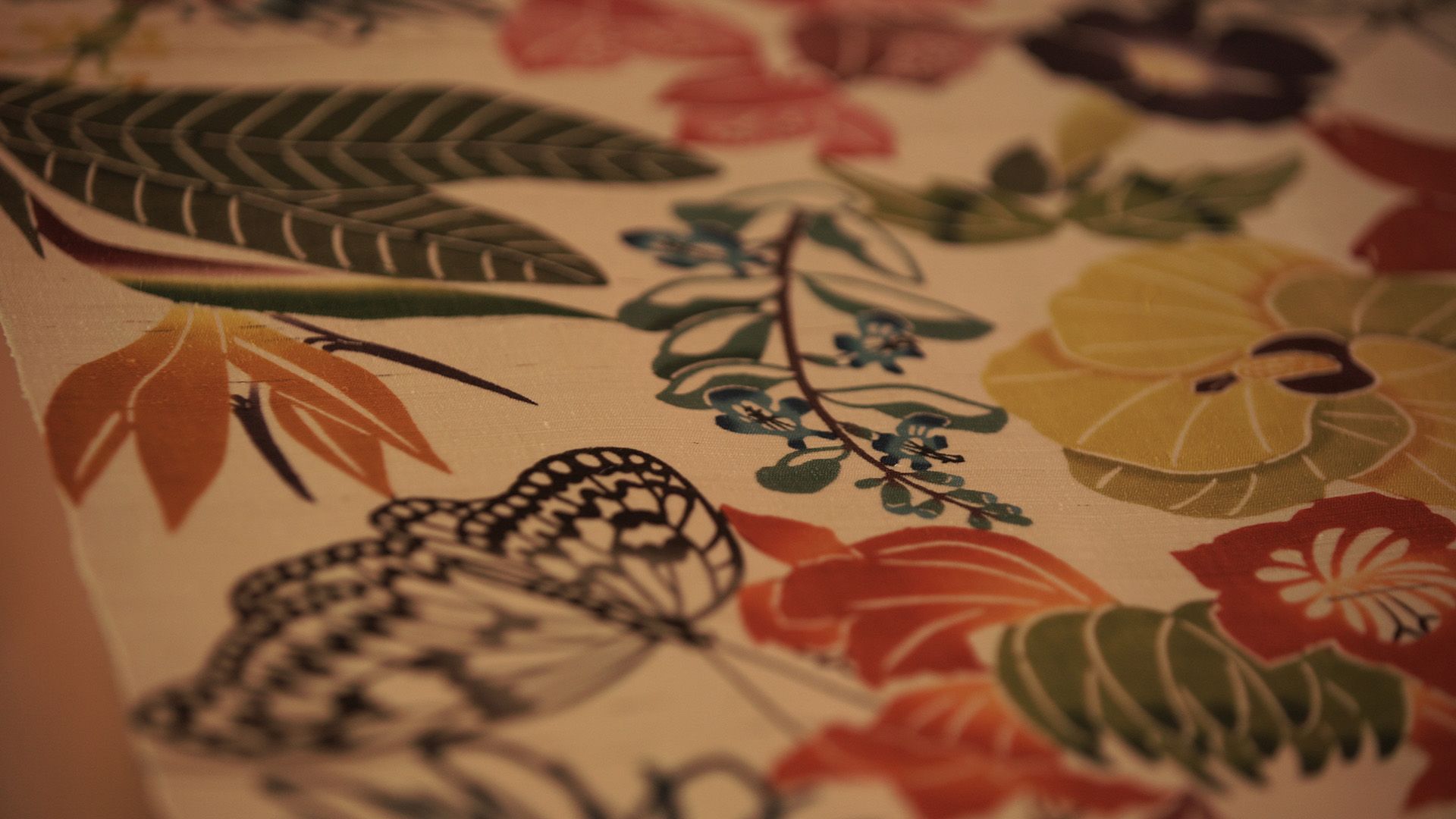
In Naha, Ryukyu Bingata tells another chapter of Okinawa’s craftsmanship. Developed around the same period, this hand-stencil dyeing technique once indicated social rank during the Ryukyu Dynasty: brilliant yellows were reserved for royalty, while lighter tones were worn by nobles and commoners. Artisans hand-cut stencils and layer natural pigments to paint cranes, flowers, and waves on silk, drying each one under the sun.
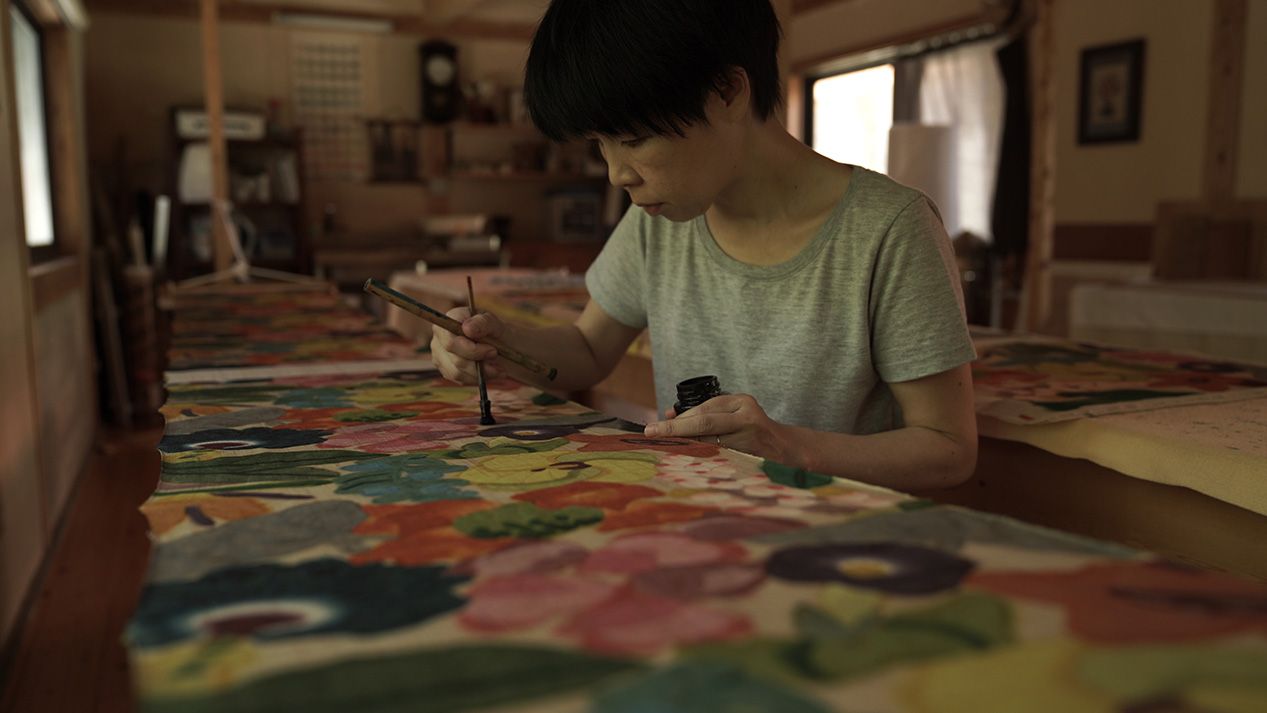
Many Bingata families have passed the craft down for generations, ensuring its survival through war and cultural change. Today, travelers can visit family-run studios to observe artisans at work or hand-paint their own small textile piece for a vivid keepsake of Okinawa’s artistry and resilience. Reviving indigenous Ryukyu culture through crafts like Hanaori and Bingata is central to Okinawa’s cultural preservation and renewal.
Spirit of the Islands: Awamori
Awamori, Japan’s oldest distilled spirit, has been made in Okinawa since the 15th-century. First brewed for the Ryukyu royalty, it remains a symbol of celebration, connection, and community.
At Yanbaru Sake Brewery, a family-run distillery, the past and present continue to mix with one another. Though relatively young, founded in 1950, it’s recognized for carrying tradition forward while evolving with its local community. Inside the distillery, the walls are thick with black koji mold, which is a vital ingredient that gives Awamori its strong, signature taste. What makes this spirit remarkable is not only its taste but its role in everyday life. Yanbaru Sake Brewery distills eight tons of rice each year to make eight tons of Awamori, and yet, 70% of it never leaves the neighborhood, because it is made by locals, for locals, rooted in the value of community spirit.
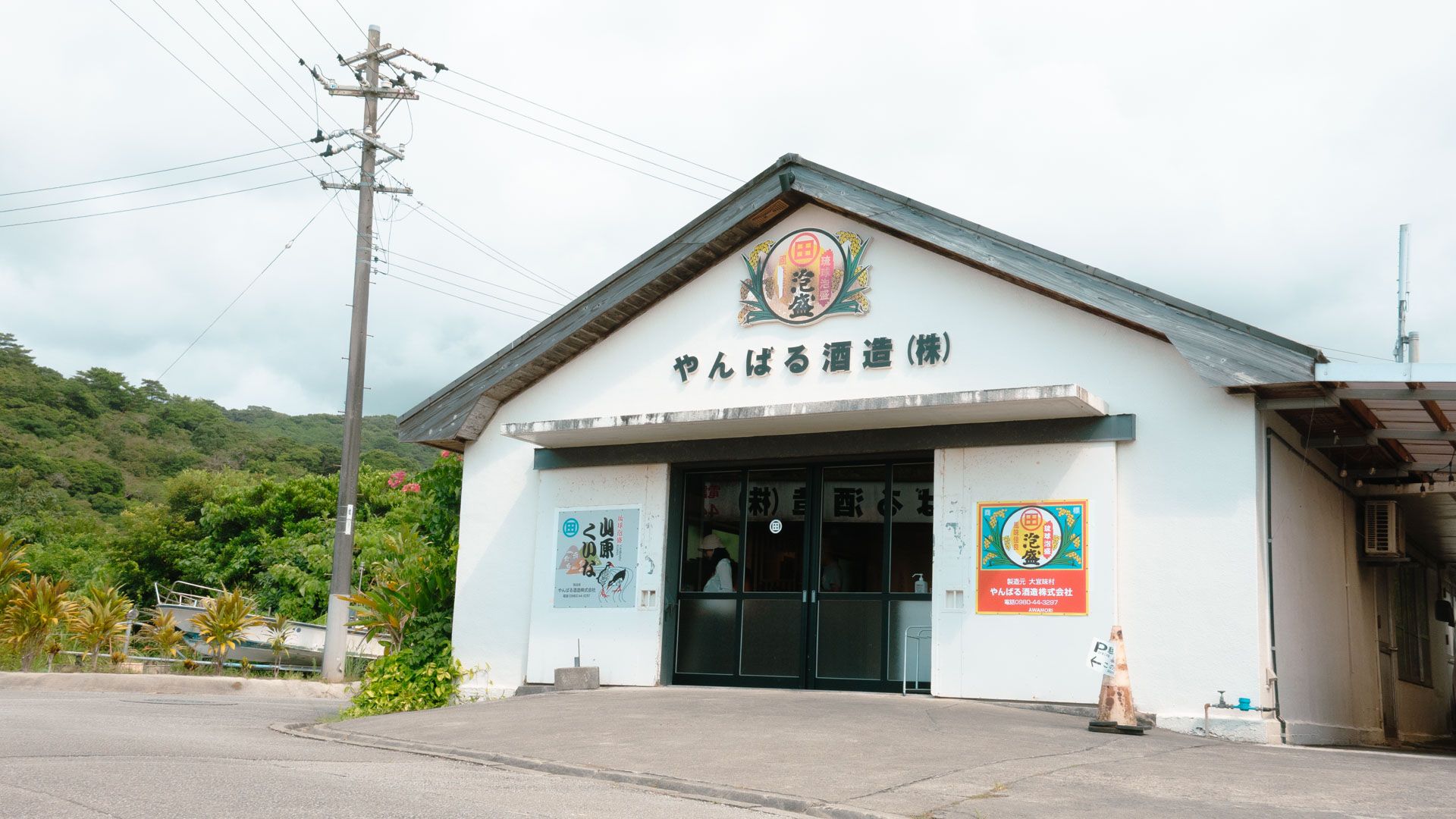
Visitors can join a tasting that begins with the strong flavor of traditional Awamori and moves to newer creations like infused spirits and craft gin. While Awamori carries generations of history, the distillery’s experiments with new ingredients show how Okinawan craftsmanship continues to adapt and evolve. As tastes change, Yanbaru Sake Brewery collaborates with local farmers to incorporate native fruits and herbs, blending innovation with heritage. Yet one thing remains constant: having a drink, alcoholic or not, is a way to foster conversation and community.
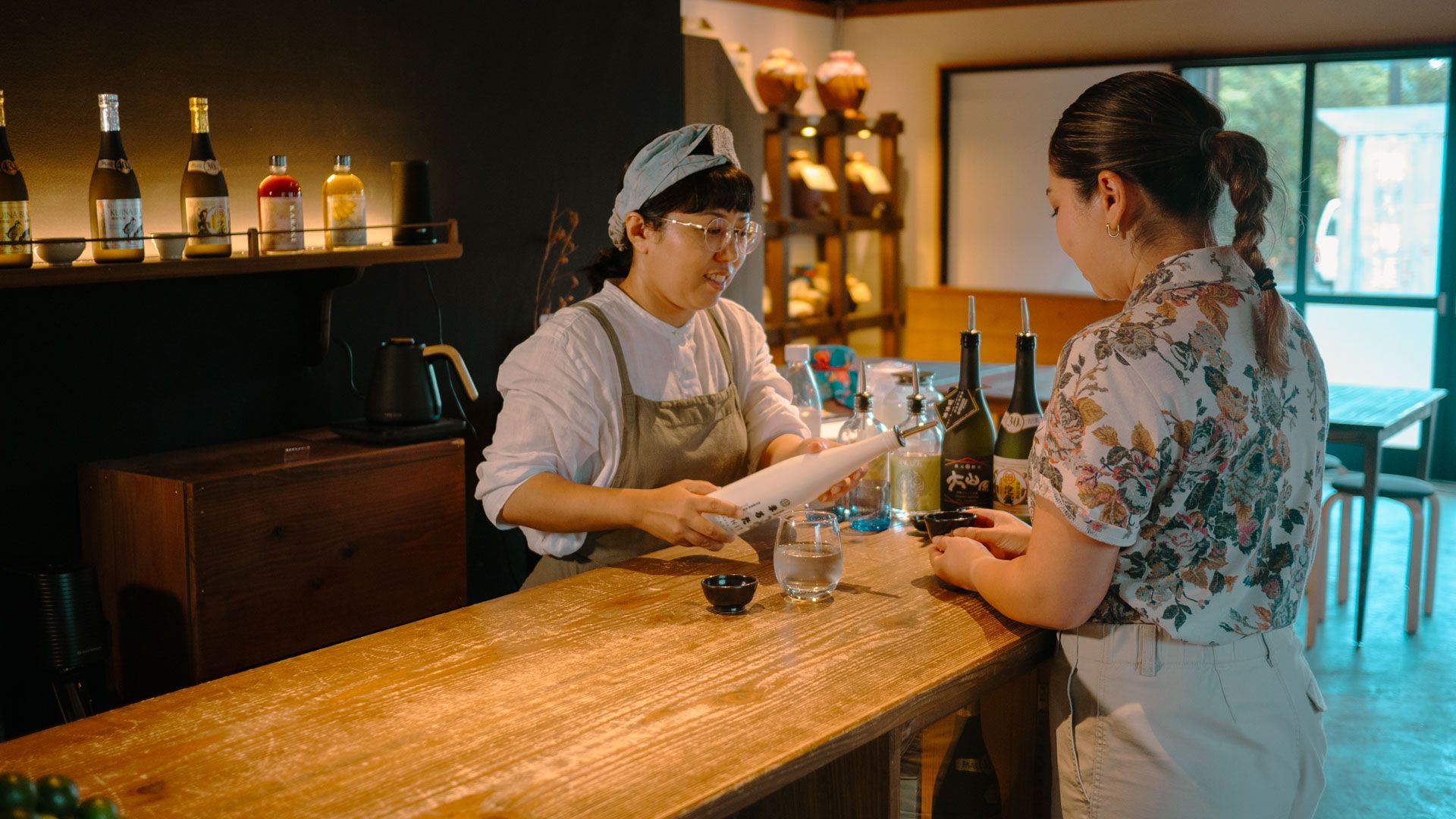
As interest in Okinawa’s culture and local products grows, distilleries like Yanbaru Sake Brewery stand as symbols of renewal. They link old techniques with modern creativity, turning a drink into a story of place and people. Even their shop design, from bottle labels to logo goods and interiors, is born through partnerships with local artists and tradesmen, showing how creativity and collaboration continue to empower Okinawa’s locals today.