Spiritual Wellness in Kansai: Walk Through Japan’s Sacred Pilgrimage Mountains and Forests
Find Local Tours & Activities
Beyond Kyoto’s temples and Osaka’s neon lights lies Kansai’s powerful spirituality and calming mountains, forests, and ancient shrines that have inspired pilgrims for over a thousand years. As part of the UNESCO’s World Heritage network, these sacred sites invite slow, active travel and close-up encounters with Japan’s spiritual traditions.
Kansai


Narita
Kansai
Kumano Sanzan Pilgrimage, Wakayama
The Kumano Kodo pilgrimage route traces its origins to ancient nature worship and the fusion of Shinto and Buddhism. One of only two UNESCO-listed pilgrimage routes in the world, it forms part of the Dual Pilgrim program with Spain’s Camino de Santiago: two sacred networks united by their shared recognition of walking as a spiritual act of reflection and connection. Those who complete both receive an official badge and certificate honoring this spiritual milestone.
Though its history spans centuries, 2024 marked the 20th anniversary of the Kumano Kodo’s World Heritage registration, celebrating two decades of global recognition and the countless visitors who continue to walk its sacred trails. Begin the journey at Kumano Hongu Taisha, home to Japan’s largest torii gate, Oyunohara Gate, rising 112 feet (34 meters). The nearby Kumano Hongu Heritage Center offers insight into the region’s crafts, Tanabe City’s role in the pilgrimage, and the Dual Pilgrim program connecting Japan and Europe.
Next, head south to Kumano Hayatama Taisha in Shingu City by the Kumano River. This place marks the meeting point between the land and sea along the pilgrimage route.
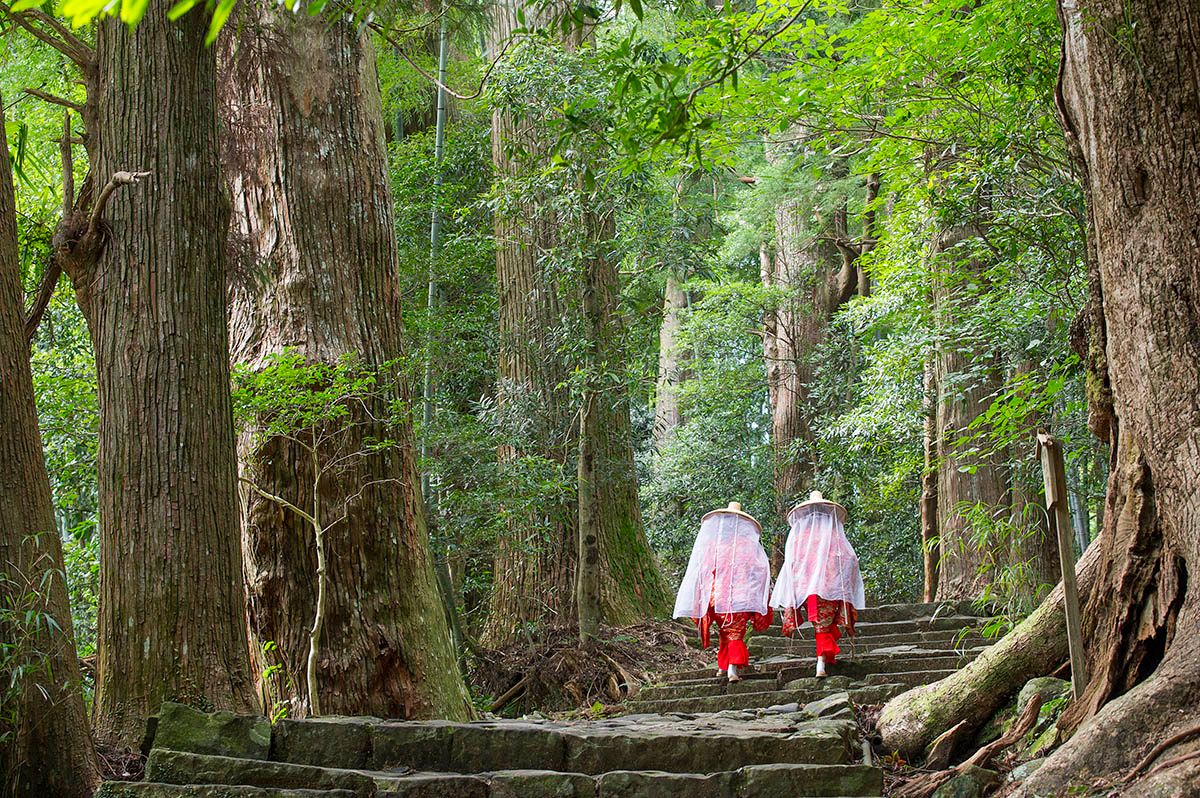
At Kumano Nachi Taisha, visit Daimonzaka Chaya for an interactive experience to dress as Heian-period (794–1185) pilgrims and walk the historic stone steps of Daimonzaka, retracing the journey of nobles from centuries past.

At the end of the journey stands Nachi Waterfall, Japan’s most famous and tallest waterfall, which stands at 436 feet (133 meters). Set beside the bright vermilion three-storied pagoda of Seigantoji Temple, it creates one of Japan’s most striking and photographed spiritual landscapes. Visitors can stop at the observation deck to sip the pure waterfall water, said to bring longevity and good fortune while taking in the sound of the falls echoing through the forest.
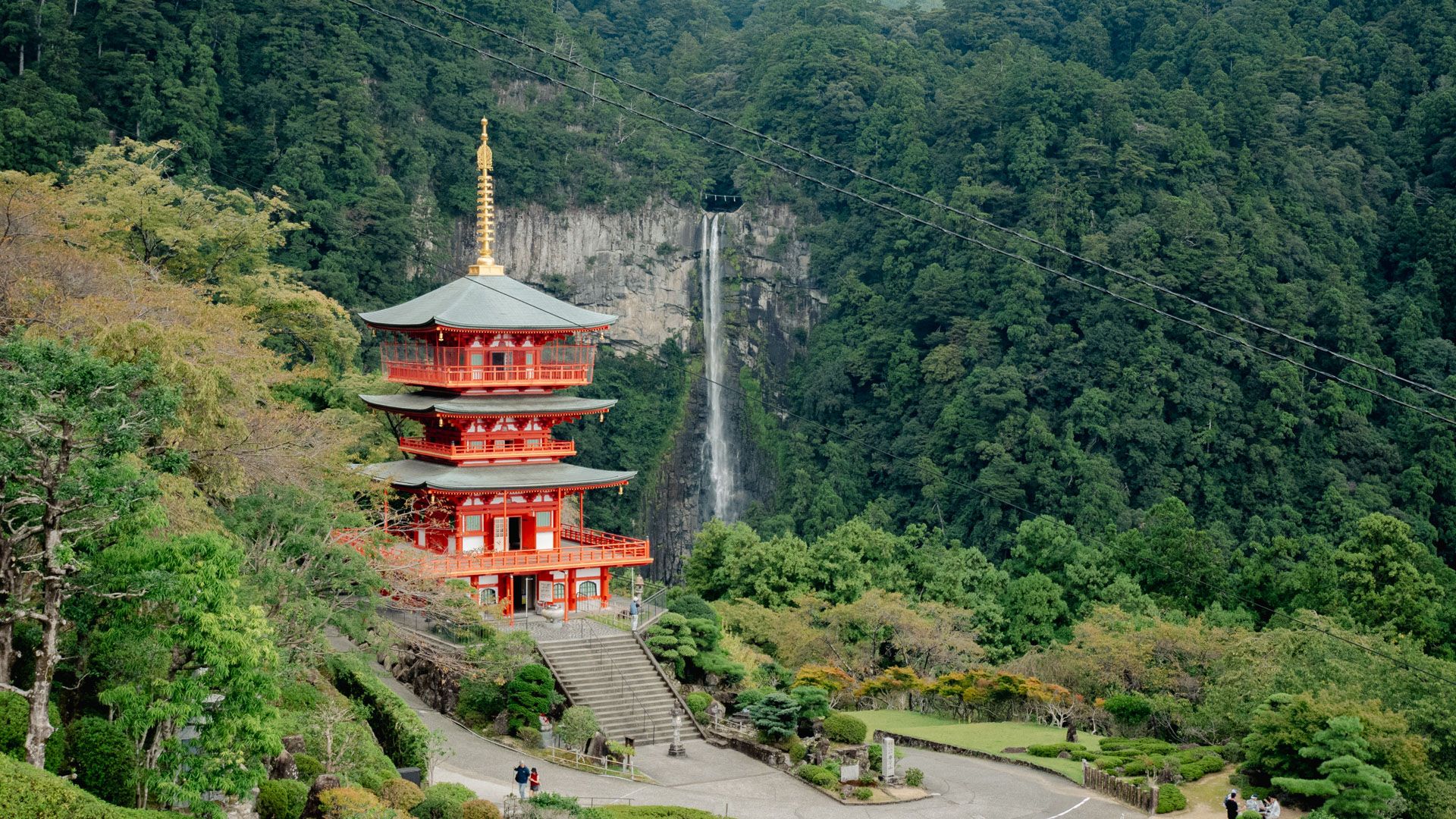
Completing this Nakahechi route on the Kumano Kodo typically takes four to six days, but sections of the trail are easily accessible by bus or car, with shorter guided routes available for travelers seeking a more flexible approach to this living pilgrimage.
Access
Koyasan, Wakayama
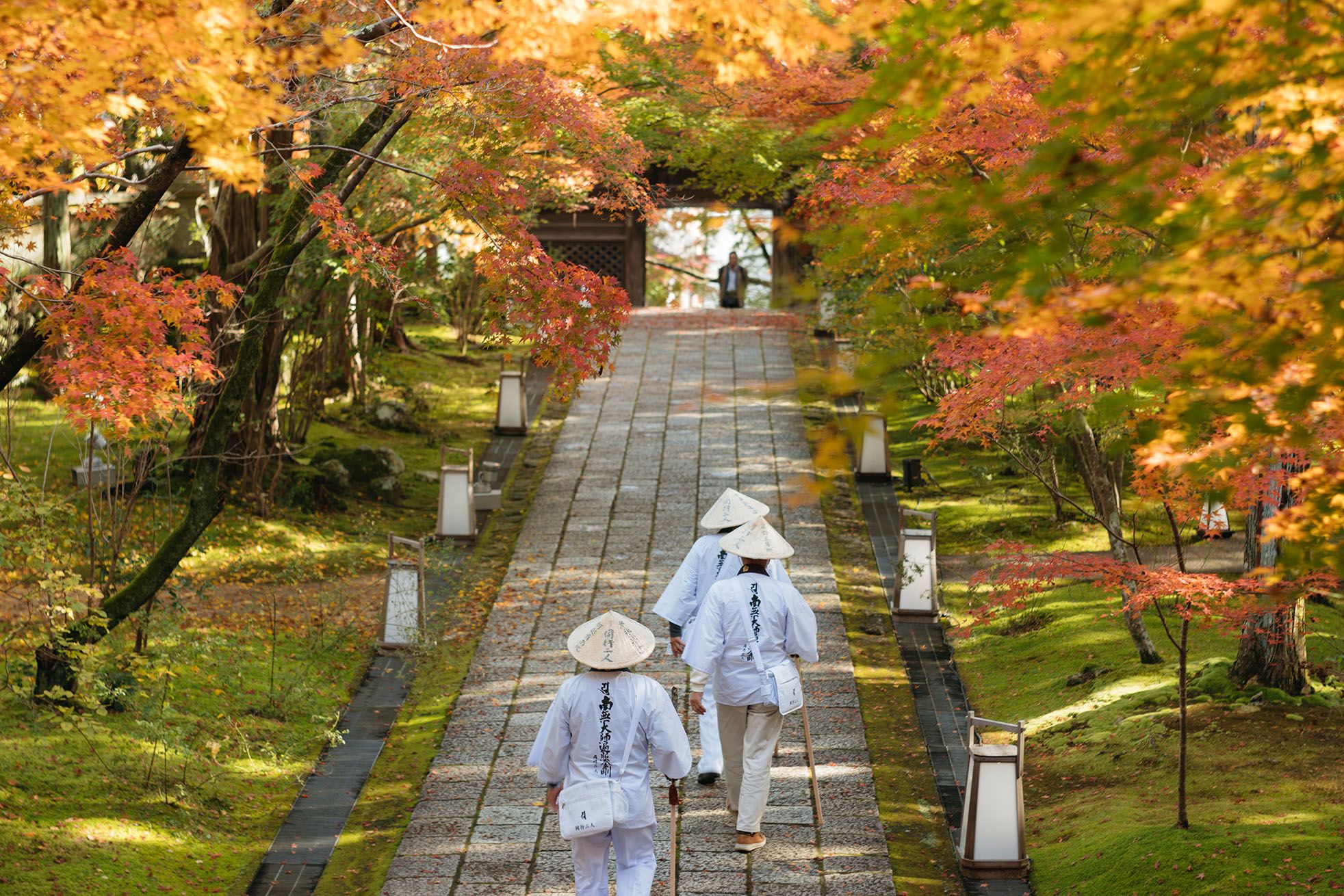
Koyasan is a mountaintop religious city located in a basin surrounded by eight peaks, often likened to the petals of a lotus flower. Tucked deep in Wakayama’s mountains, this spiritual village is surrounded by towering trees, moss-covered stone figures, and temples. It is the heart of Shingon Buddhism, founded by Kobo Daishi (Kukai) in 816. In 2023, Koyasan marked 1,250 years since his birth; a milestone for the sect and its spiritual center. A visit here offers a rare chance to slow down and appreciate the present moment as it is.
Though compact, Koyasan houses 117 temples, many serving as monasteries for centuries. It also hosts Koyasan University, where aspiring monks from across Japan and abroad study Buddhism. This blend of tradition and learning gives the town a quietly international atmosphere.
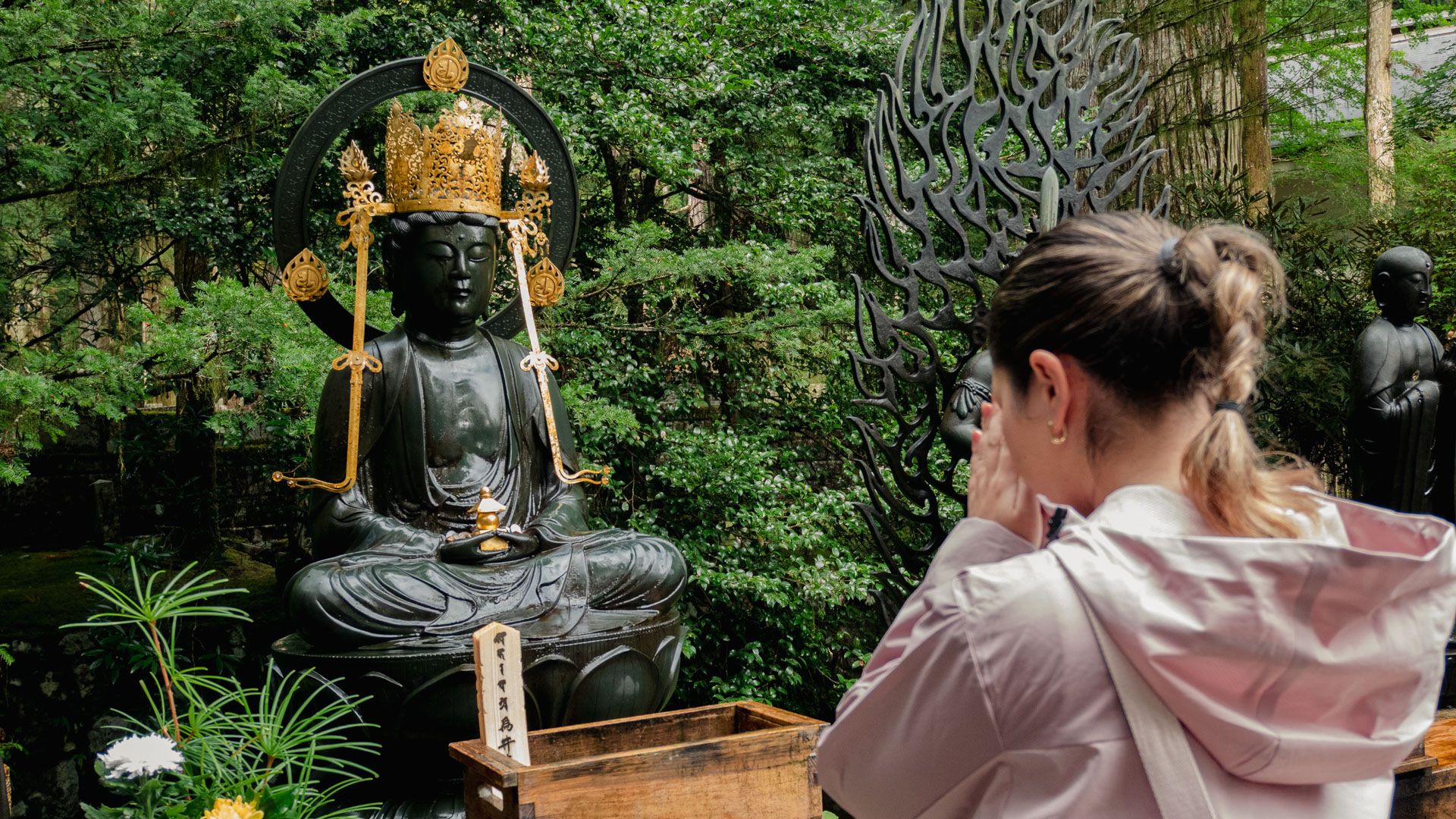
Many temples offer shukubo (temple lodging), allowing guests to experience the rhythm of monastic life. Unlike a ryokan, shukubo stays are simple, reflective, and focused on mindfulness. Eko-in Temple is especially welcoming to international visitors, with refurbished guest rooms, open wooden corridors, and vibrant fusuma (sliding door) artwork. The monks here, many of whom had entirely different lives before ordination, speak English and guide guests through Ajikan meditation, explaining its philosophy before leading a session. Guests may also join the morning otsutome (prayer service) and witness a goma fire ritual, a sacred Buddhist fire ritual, where monks chant amid rising flames.
Meals are shojin ryori, traditional Buddhist vegan cuisine prepared with local mountain ingredients. Koyasan is known for its tofu dishes: goma dofu (sesame tofu—unrelated to the goma fire ritual) and koya dofu (freeze-dried tofu simmered in sweet broth). While some temples use fish stock, Eko-in serves fully vegan meals; guests with dietary needs should confirm when booking.

An overnight stay in Koyasan offers a unique opportunity to disconnect from daily life, reflect in stillness, and immerse yourself in the simple lifestyle of the mountain monks.
Access
Yoshino, Nara
While many travelers associate the Sacred Sites and Pilgrimage Routes in the Kii Mountain Range with Wakayama, the network extends far beyond, connecting sacred mountains across prefectural borders. In Nara Prefecture, Yoshinoyama has long stood as one of its most important spiritual centers, linking Koyasan and Kumano through a thousand years of devotion, prayer, and walking.
Yoshino is also recognized as part of the same UNESCO World Heritage Site, representing the origins of Japan’s mountain ascetic tradition, Shugendo. For centuries, monks and pilgrims have come here to train, meditate, and seek balance between the physical and spiritual worlds. Today, that same path of reflection is open to visitors through private guided tours designed to share Yoshino’s history and natural beauty in an approachable way.

Local guides lead private groups through an ancient temple district, mountain viewpoints, and heritage sites while explaining how religion, landscape, and community life remain deeply intertwined. These experiences reveal stories of faith and resilience passed down through generations and offer a personal connection to the living culture that still defines Yoshino today.
The highlight of any visit is Kinpusen-ji Temple, whose main hall, Zao-do, ranks among Japan’s largest wooden structures. Massive blue statues of the guardian deity Zao Gongen inside reflect the strength and compassion central to Shugendo belief. Surrounding trails offer panoramic views of Yoshino’s four slopes, famed for thousands of cherry blossoms in spring and striking colors of the foliage in fall.
Easily reached by train from Nara or Osaka, Yoshino offers an immersive experience without the need for a full pilgrimage.

The guided walks balance light hiking with cultural learning, appealing to travelers seeking a meaningful encounter with Japan’s spiritual landscape.