Work, Create, and Connect: Experience Japan's New Digital Nomad Frontier in Kyushu
Find Local Tours & Activities
Kyushu is an island located in southwestern Japan, made up of seven prefectures and surrounded by the sea. If you’re a digital nomad or exploring remote work opportunities in Japan, Kyushu may be your next destination to experience the country’s well thought-out balance of innovation and slow living. From Fukuoka’s high-tech startup scene and globally connected airport to the peaceful coastal towns in Nagasaki and Miyazaki, the region offers creativity, flexibility, and vibrant communities ideal for long-term stays.
Kyushu
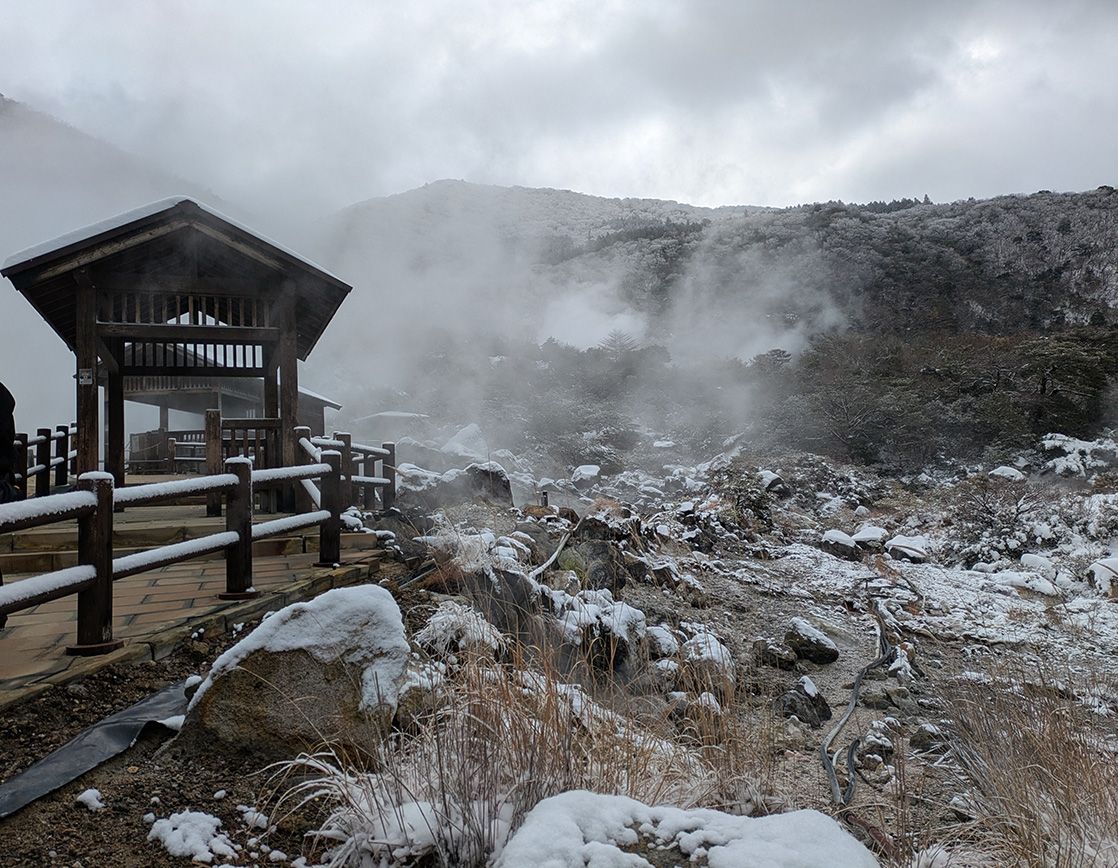

Narita

Hirado, Nagasaki
Hirado, a historic island port in Nagasaki Prefecture, became the world’s first officially certified Albergo Diffuso Town in 2025; a community-wide hotel concept from Italy where the entire town serves as the host. Instead of a single property, Hirado’s accommodations are dispersed across renovated historic homes, restaurants, and public spaces, inviting guests to live alongside locals rather than apart from them.
Historically, Hirado played a key role as one of Japan’s earliest gateways to the world by pioneering trade with Europe during the 16th and 17th centuries. Its stories of samurai culture, foreign influence, and maritime heritage create a distinctive blend visible in the coexistence of Japanese temples and Western churches across town. Strolling along its quaint, cobblestone-like streets, visitors encounter centuries-old Japanese buildings beside European-style architecture, nostalgic seaside shops, soothing hand and footbaths, and friendly locals who greet you with a smile.
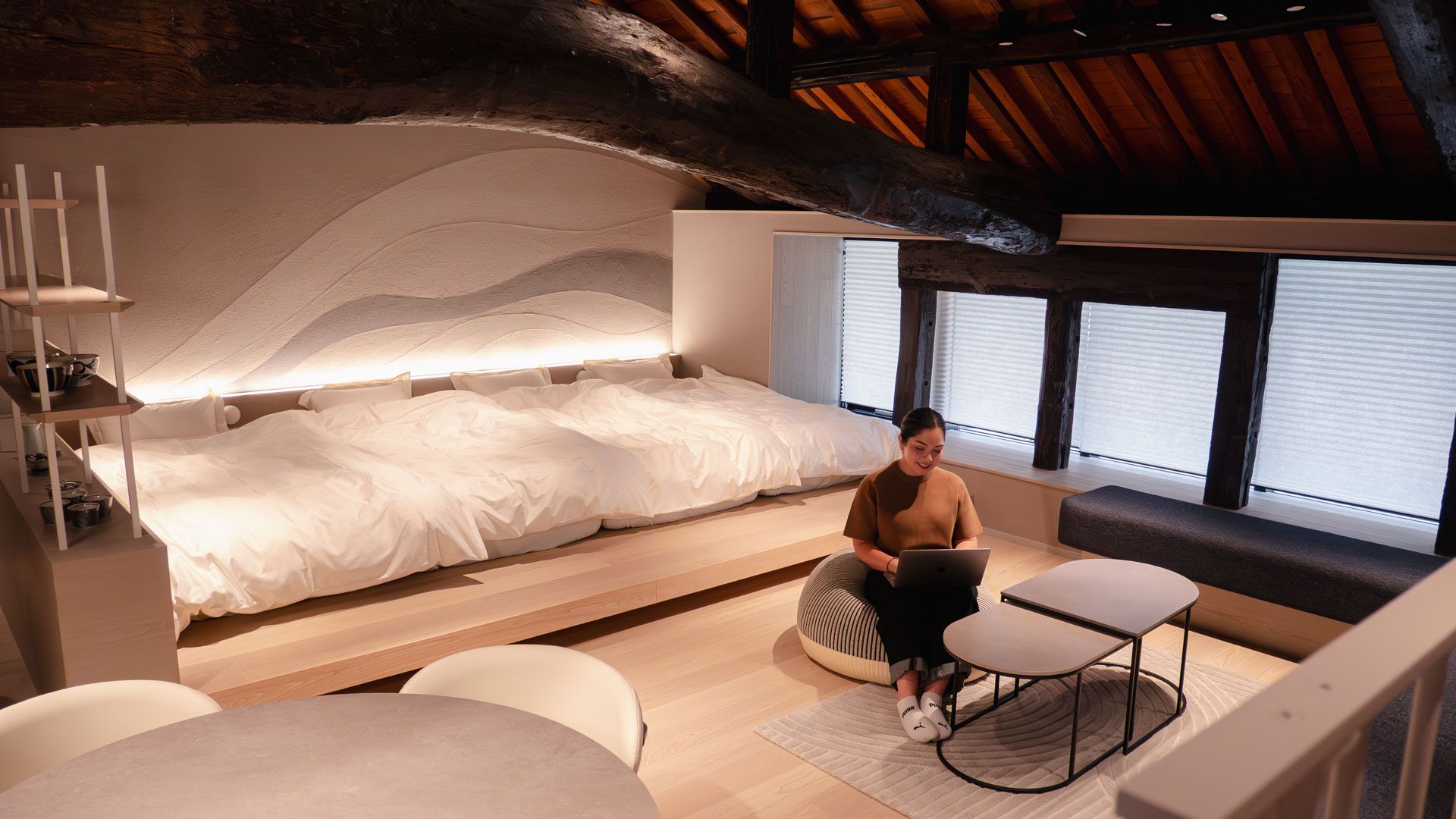
Accommodations such as The Terrace and Sumiya Heritage Hotel combine modern, work-friendly comfort with preserved historical charm, which are ideal for digital nomads seeking a peaceful, community-based environment by the sea in Japan.
Access
Hyuga, Miyazaki
Hyuga, lies on Miyazaki Prefecture’s northeastern coast. Bordered by the Hyuga Sea and the Kyushu Mountains, this scenic port city is known as one of Japan’s top surfing destinations. Hyuga’s lifestyle supports those seeking work-life balance by offering a relaxing yet active environment that’s well-suited for remote work and leisure by the beach.
There are three major surf spots in Hyuga: Okuragahama, Kanegahama, and Isegahama, that provide year-round waves, surf schools, and rental shops. Between work and surf sessions, you can unwind in an ocean-view hot spring, enjoy fresh seafood, or explore the city and surrounding nature.
Branded as a relaxing workation destination, Hyuga also promotes long-stay living through migration seminars and community coworking hubs like Mimitsu Plaza and the Yume no Katachi Project, which transform historic townhouses into creative spaces. The nationally protected Mimitsu-Town district preserves Edo-era (1603–1867) charm with wooden buildings reborn as cafés, guesthouses, and local shops.
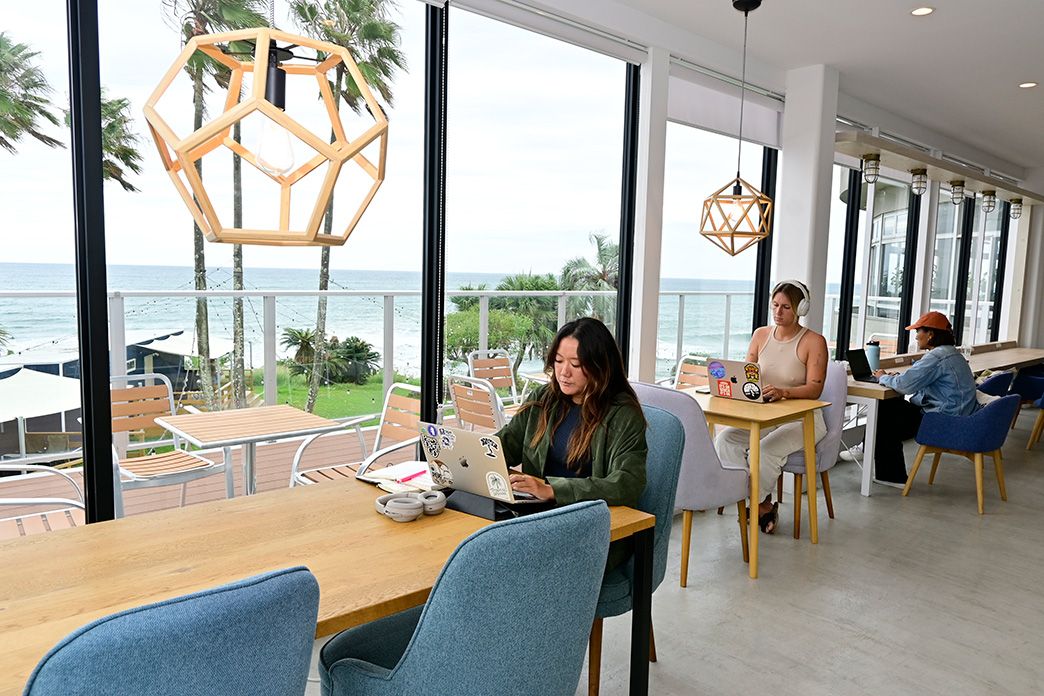
Bundling surf, nature, and creativity, Hyuga offers the freedom to live slowly, work freely, and connect with the local community, the outdoors, and yourself all at your own pace.
Access
Fukuoka City, Fukuoka: Digital Nomad Scene
If you’re looking for an ideal place in Japan for a longer stay in order to explore, connect, and still get work done, Fukuoka might just tick all the boxes. Living in a country with a different language and culture can be both exciting and challenging, but Fukuoka makes the transition easy. Known as Japan’s startup hub, this welcoming and digestible size city offers an exceptional balance of innovation, creativity, and community. Diverse yet approachable, it has become the country’s remote-work frontier: a place where digital nomads can both build and belong.
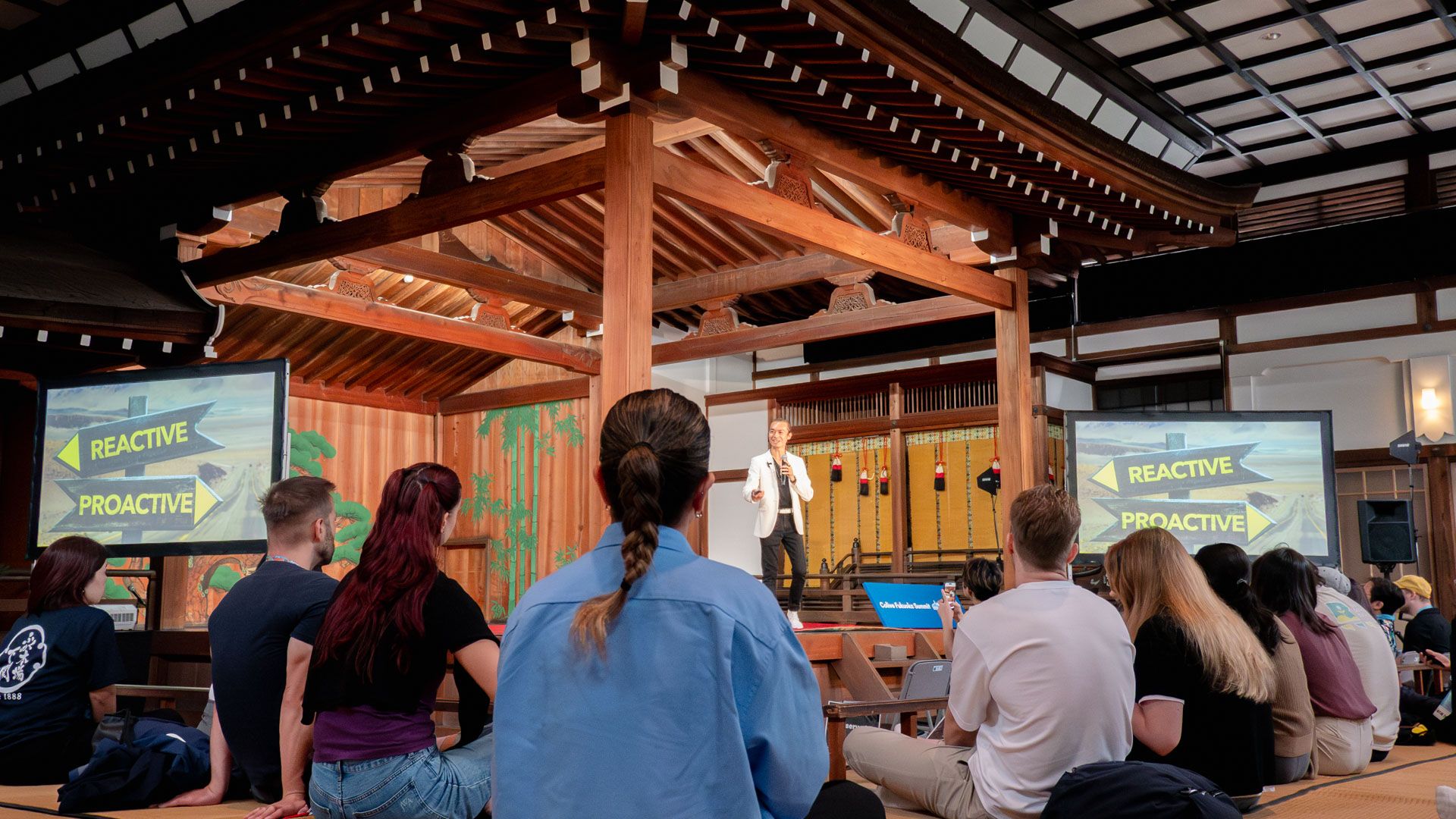
One of the central pieces to this initiative is Colive Fukuoka, Japan’s leading digital-nomad event and co-living community founded by entrepreneur OSERA Ryo. Originally from Nagasaki and inspired by his travels as a global nomad, OSERA launched Colive in 2022 to bring the international nomad ethos to Japan. Hosted annually in a renovated Noh theater, the 10-day English-language conference welcomes hundreds of attendees from Japan and abroad who are entrepreneurs, remote workers, and creatives alike. More than a conference, Colive has fostered friendships, business partnerships, and collaborative projects that continue well beyond the annual gathering.
Fukuoka’s digital nomad community stays active throughout the year with monthly co-living programs for up to 36 participants on a first-come basis, with plans to expand. The city also supports remote workers through abundant coworking spaces, including partnerships with WeWork and apartment agencies offering flexible, foreign-friendly rentals. Many who connect here go on to collaborate professionally or even settle in Fukuoka, drawn by its startup culture, accessibility, and balanced lifestyle.
With Fukuoka Airport just 10 minutes from the city center, the ease of international and domestic travel is ideal for long-term stays that mix work, travel, and leisure across Asia and beyond.
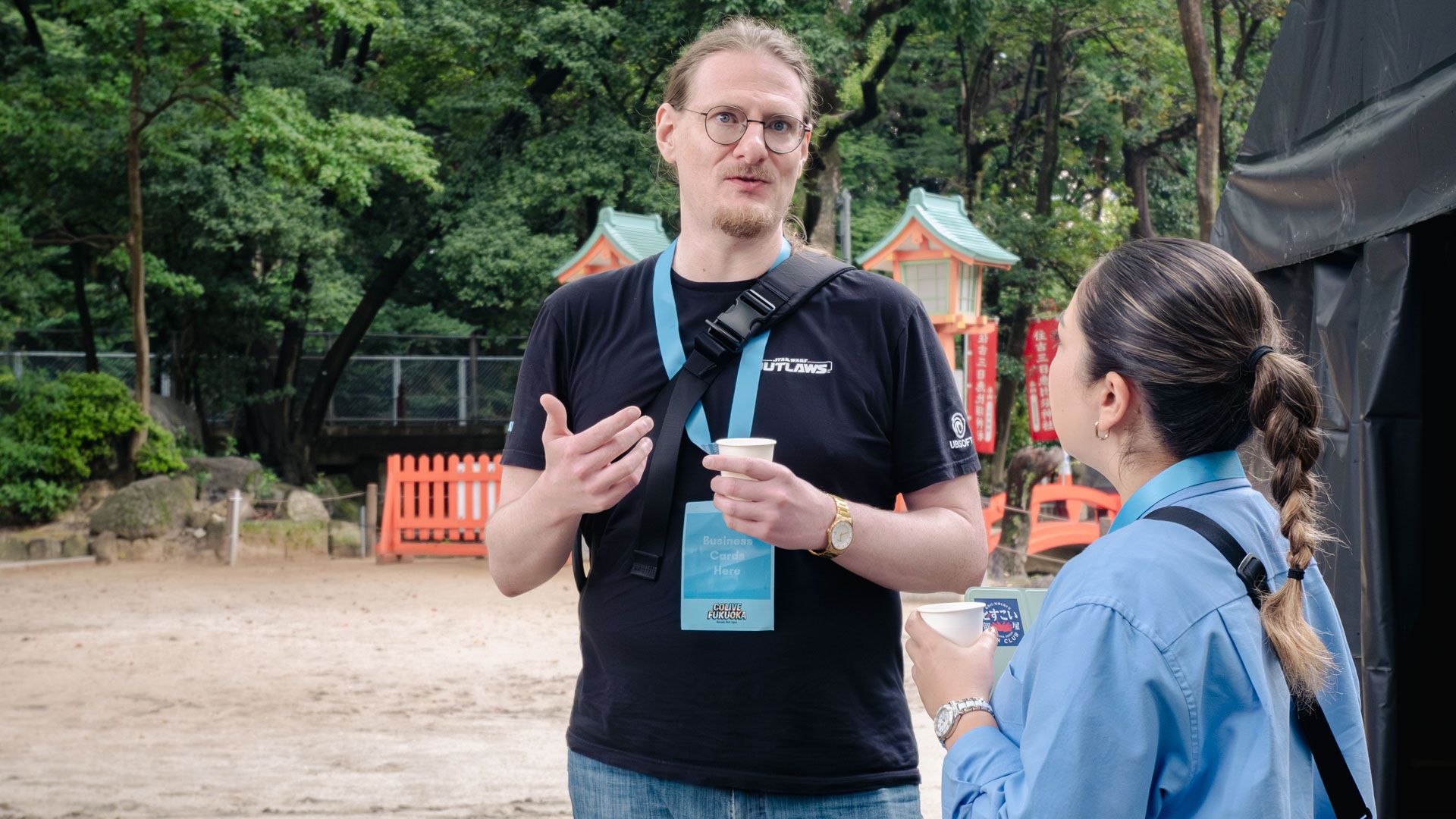
Known as a foodie city, a longer stay will ensure exploration of hidden gems, independent cafés, tech startups, and creative spaces that make remote life feel intuitive. Weaving innovation with approachability, Fukuoka is where global ideas meet Japanese hospitality in a city built for connection, growth, and inspiration found in unexpected places.
Fukuoka City, Fukuoka: Yatai Culture
While the daytime energy of Fukuoka centers on innovation and professional connection, a different side of the city comes alive at night through its open-air food stalls called yatai. Hundreds of their dim lights glow like lanterns along the riverside and side streets. Each small, intimate stall seats fewer than ten people around a central counter where chefs prepare steaming bowls of Hakata ramen, crispy mentaiko (cod roe) tempura, crispy chicken skin, and other local delicacies. In Japan, where genuine conversation and even business partnerships often flourish over food and drink, Fukuoka’s yatai culture perfectly embodies the nation’s love language: communication over food.
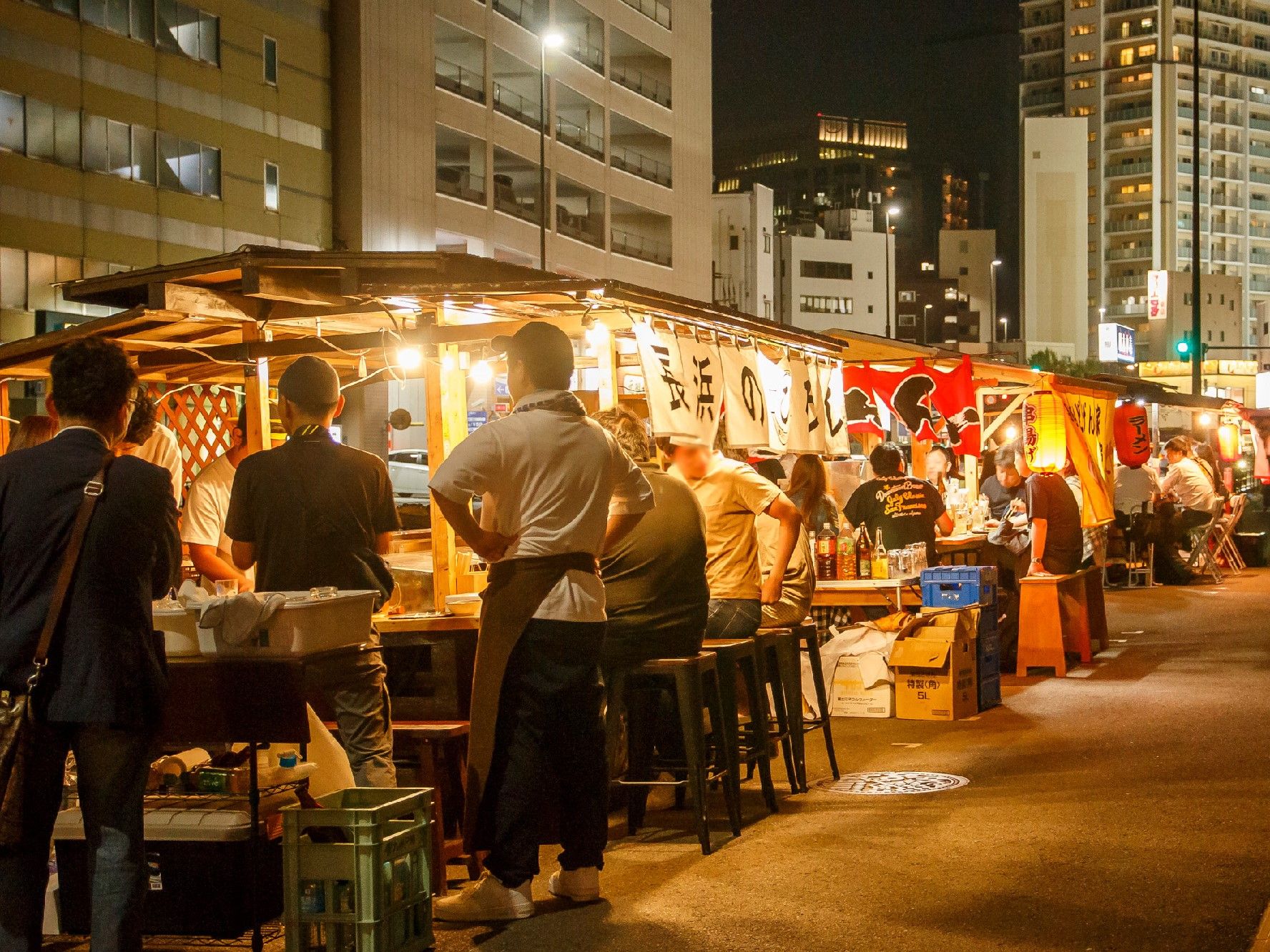
Internationally recognized as one of Asia’s most welcoming and distinctive culinary scenes, yatai invite locals and travelers to sit shoulder to shoulder and share a meal that feels both personal and communal. For many Japanese, food and drink are ways to express care and build bonds and Fukuoka’s yatai are social places where a friendly chat with the chef or neighbors is part of the experience. In a culture where friendliness can be subtle, the warmth found at these late-night counters may be refreshing and different. With hundreds of yatai scattered across Fukuoka’s waterfront area, you could dine at a different yatai every night and still never visit them all. Each stall has its own character, menu, and loyal regulars, turning simple dinners into core memories.
To make the most of the experience, travelers can familiarize themselves with basic yatai manners, which can make it even easier to strike up conversations with locals.
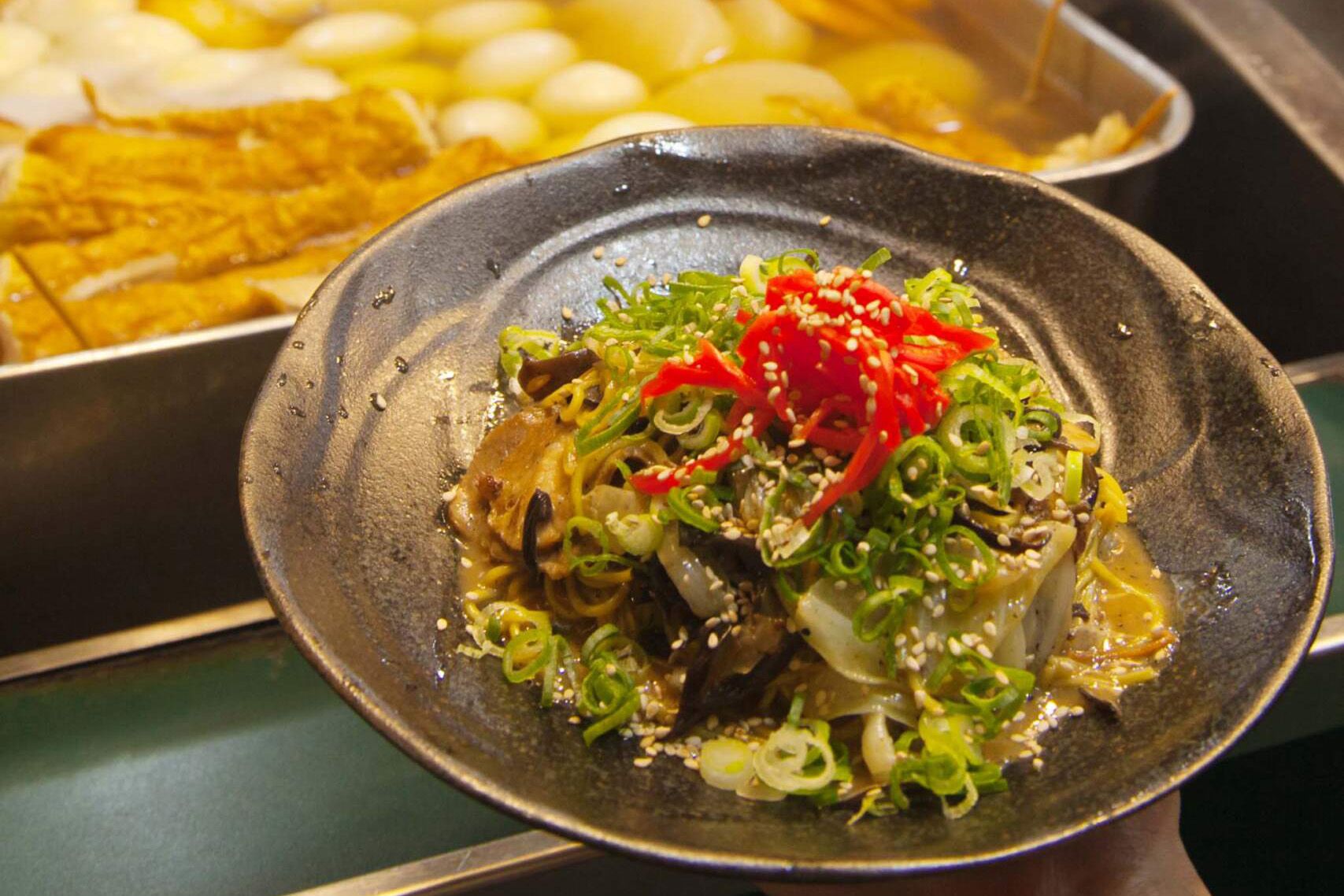
Fukuoka also offers a Yatai Concierge Desk at the airport for recommendations, along with a downloadable yatai map to help visitors navigate these nostalgic stalls – vital, as many may not be listed on smartphone map apps. Here, the boundaries between visitor and local fade, replaced by the simple joy of good company and good food.